written by Sonder Studio
Hosting your wedding in Korea invites you into a culture rich with tradition—where centuries-old customs can become deeply personal moments just for you. Still, the rhythm of a wedding here can feel unfamiliar and slightly overwhelming at first. With the right support here in Korea, your wedding day can feel calm, intentional, and deeply meaningful. In this final part of my three-part Korea wedding planning series, I’m walking you through what your ceremony and reception can look like, how the day typically flows, and where you have the freedom to make it completely your own.
The Three-Part Series on How to Plan a Wedding in Korea
- Part 1: Cultural Insights and Personalization
- Part 2: Choosing Wedding Venues and Vendors in Korea
- Part 3: Your Wedding Ceremony and Reception
The Rhythm of a Wedding Day in Korea: What a Korean Wedding Day Typically Looks Like
From hair and makeup to portraits and cake cutting, your wedding in Korea can unfold with its own gentle rhythm. Still, when in Korea, having a sense of what a wedding day usually looks like can help guide you as you create a timeline that truly reflects your story.
Getting Ready
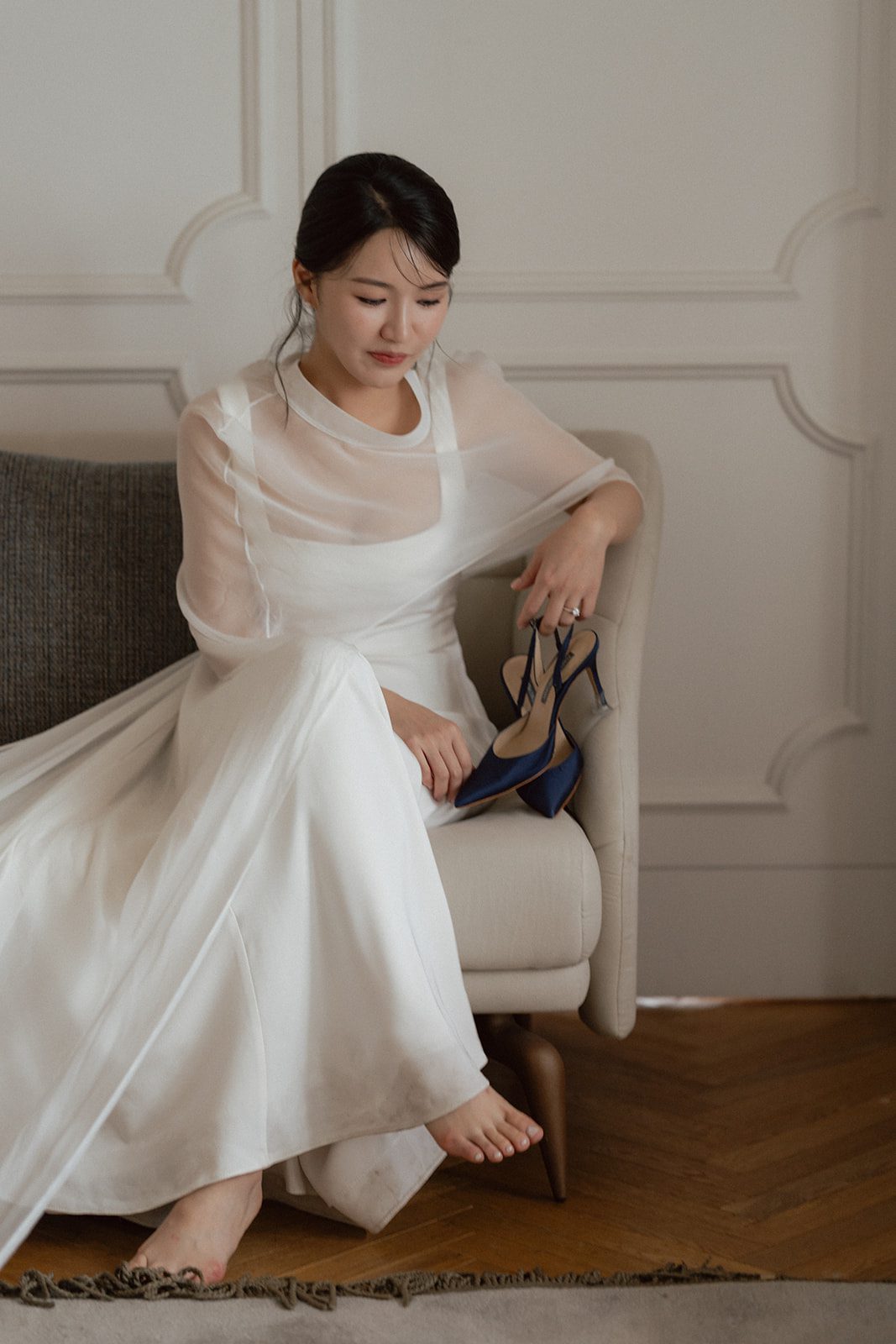
Rather than starting the day at a hotel or Airbnb, most couples in Korea begin at a hair and makeup studio, usually four to five hours before the ceremony. Because the studio and venue are often in different locations, some travel is typically built into the morning. Giving yourself extra time allows the day to unfold gently, so you can settle in, enjoy the process, and arrive at your venue feeling grounded instead of rushed.
Venue Portraits
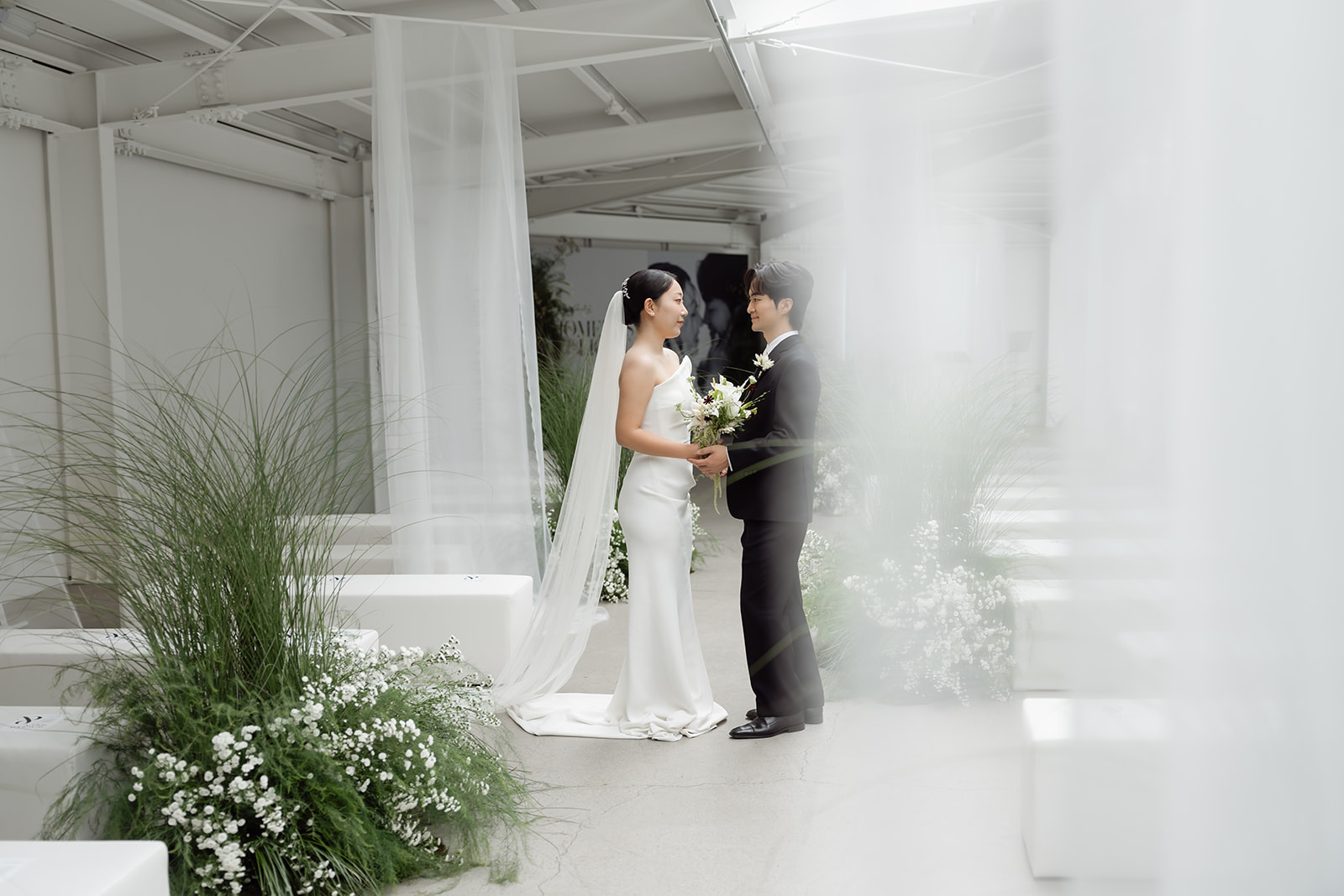
From there, you’ll make your way to your venue, arriving roughly two hours before the ceremony. This is often when coverage begins, allowing time to ease into the space together and create portraits across its different settings. I also prioritize building in family photos before your other guests filter in. These quieter moments often feel more intentional and intimate, and result in images that reflect that calm beautifully.
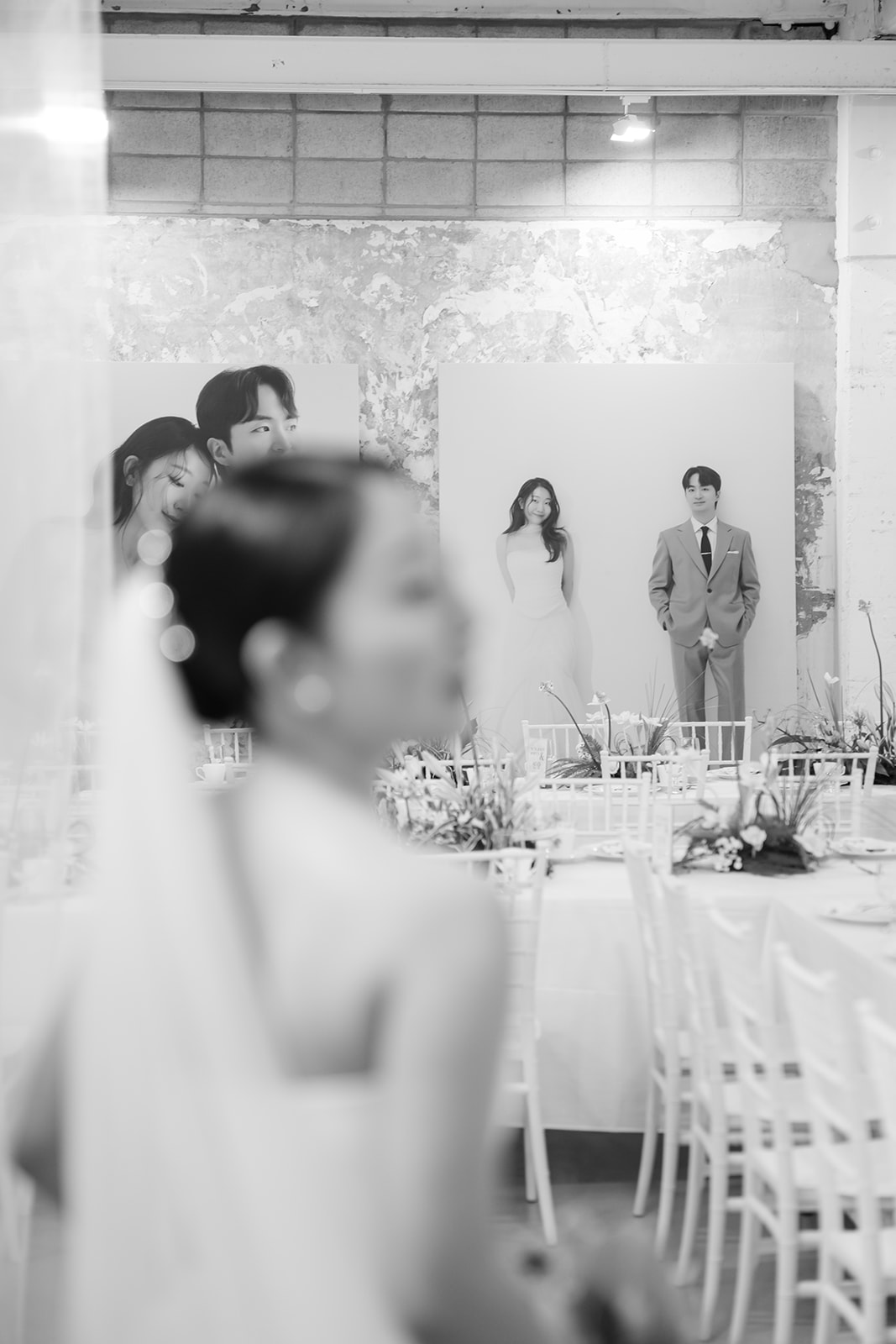
About an hour before the ceremony, the parents and one partner greet guests, while the other partner waits in a designated area and takes photos with attendees. This space is often a decorated chair, but I always love it when couples get creative. A thoughtfully styled photo lounge with your guests or photo area can feel more natural and personal.
Ceremony
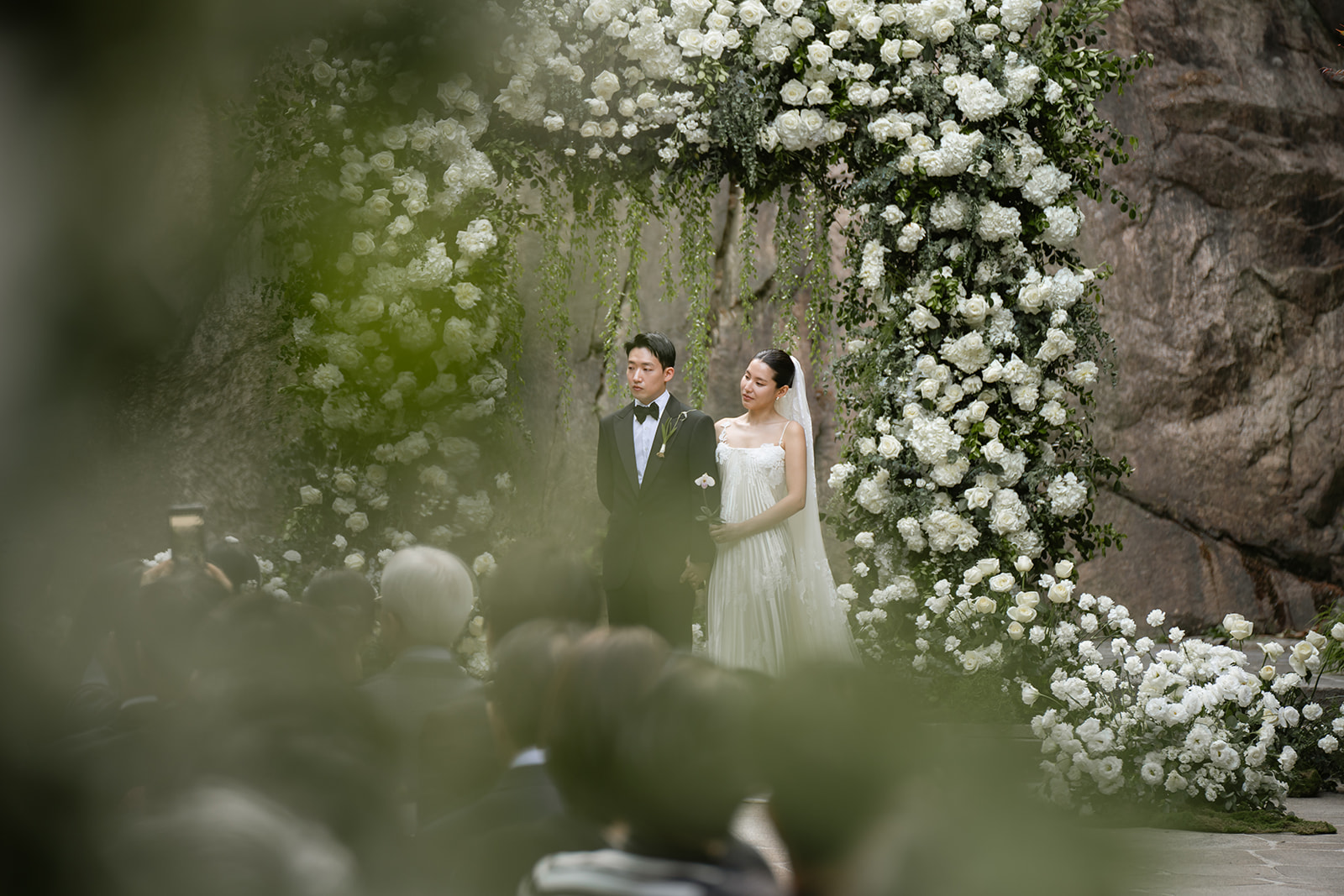
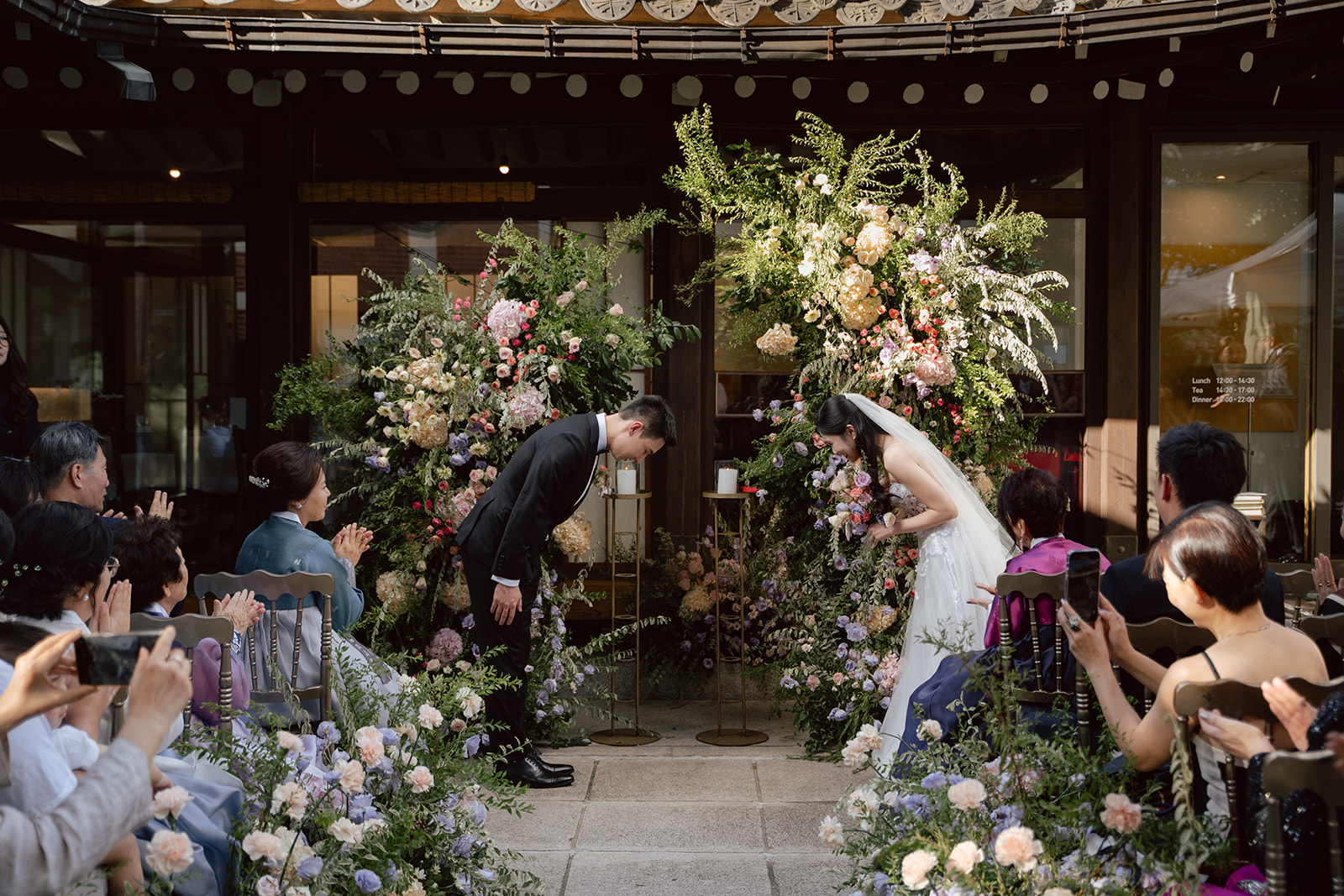
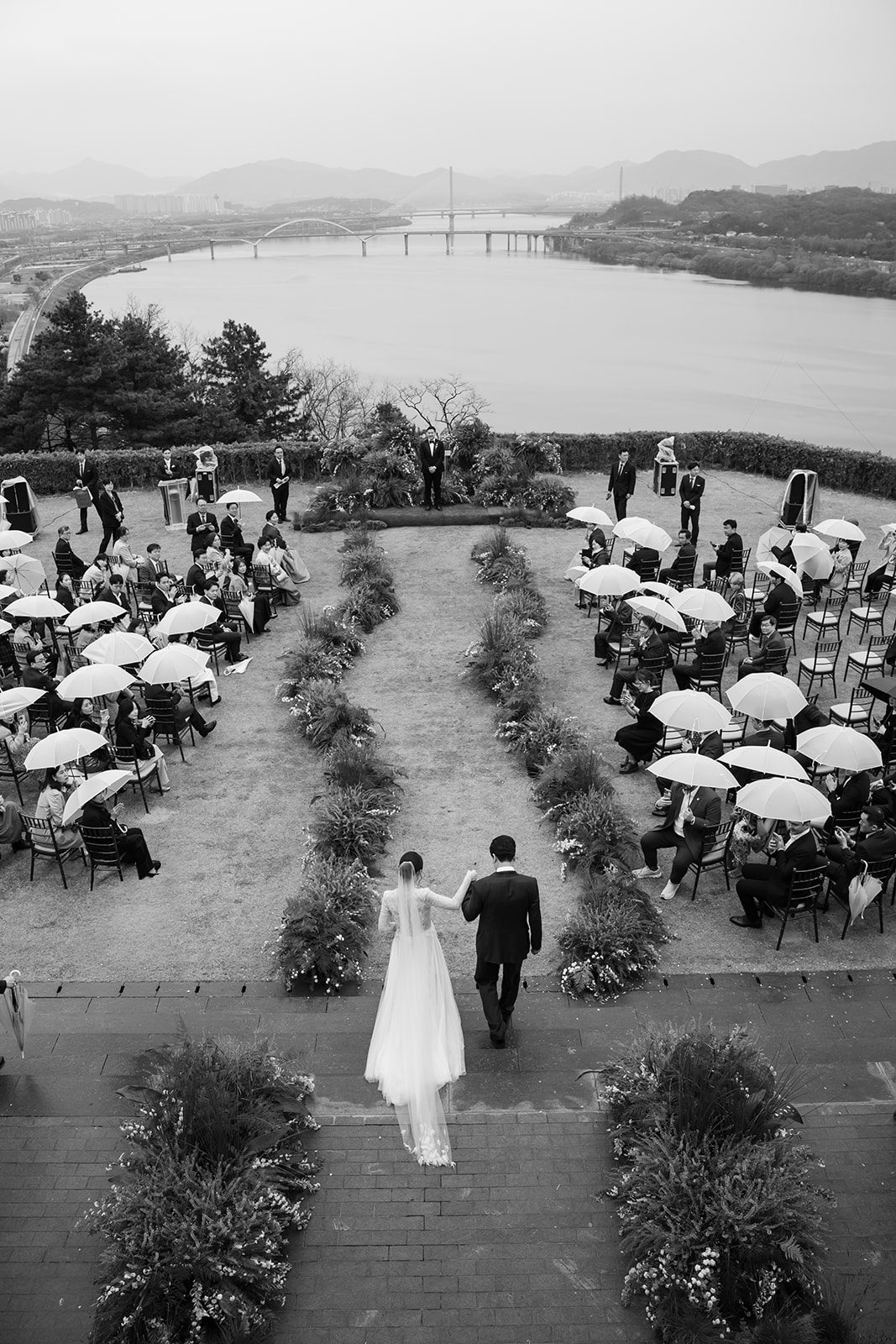
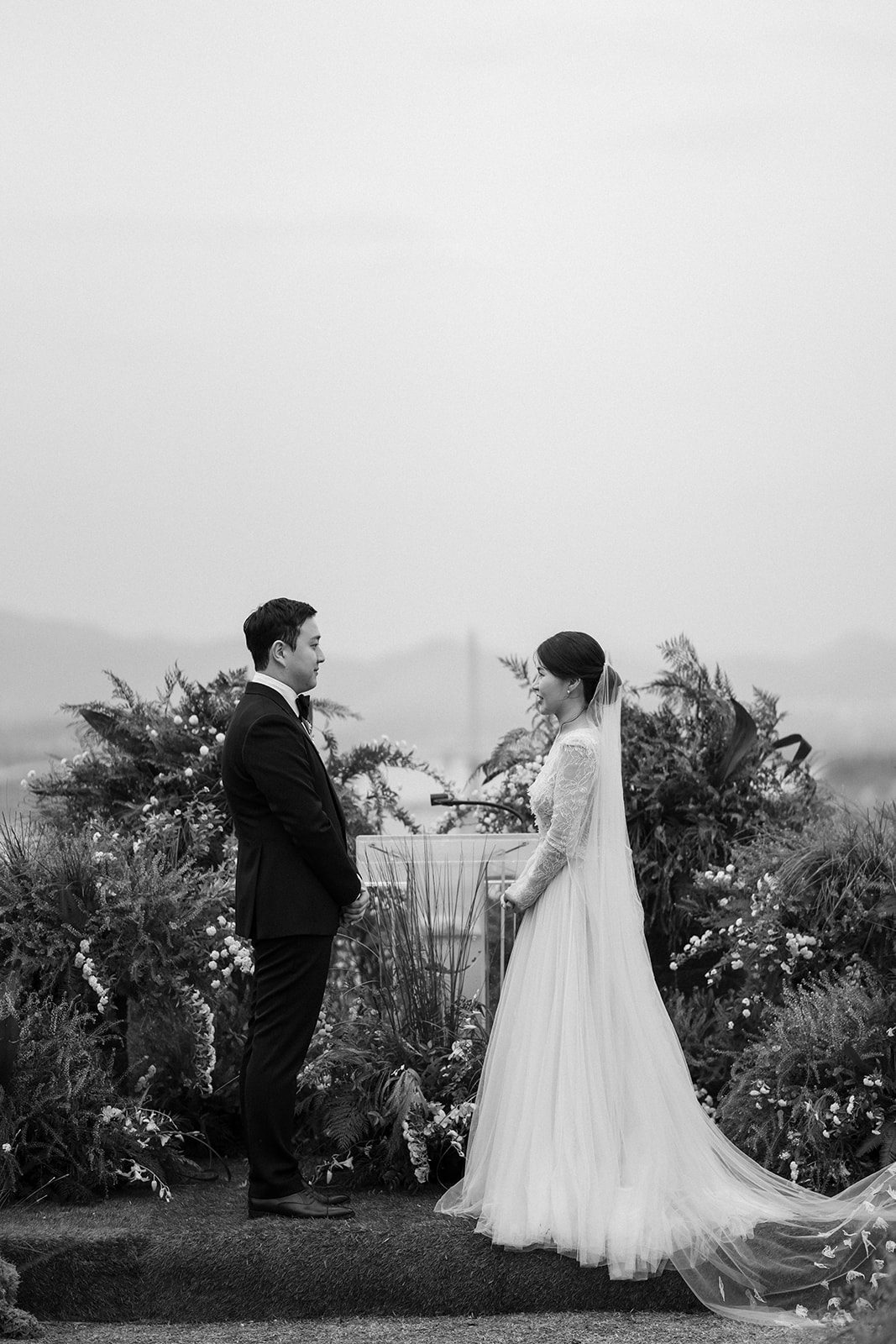
Many couples choose an MC to lead their ceremony rather than a traditional officiant. Korean wedding ceremonies often include speeches, performances, or a religious message. This openness creates space for a ceremony that reflects who you are, rather than following a rigid script.
*Note – In Korea, legal marriage happens at city hall, which allows for more flexibility during your ceremony.
If you are traveling to Korea for your wedding celebration, I’ve put together this guide on how to get married in Korea as a foreigner to help you navigate it with ease.
Reception
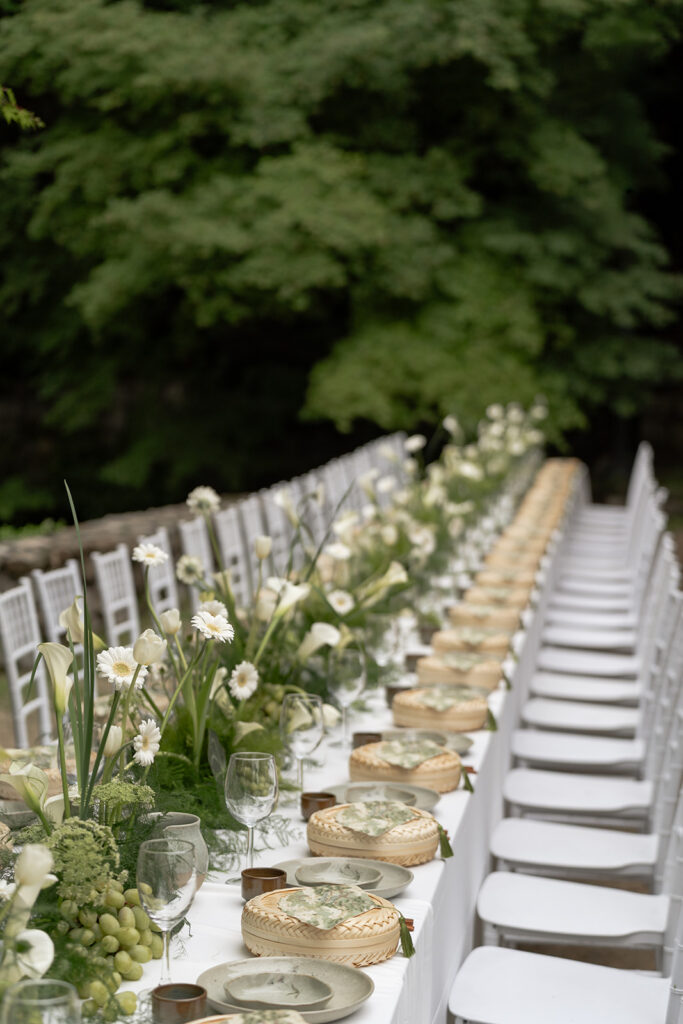
Korean wedding receptions are centered on presence and gratitude. Couples often change into a second outfit and move from table to table, personally thanking their guests. The pace is slower, creating space for conversation and connection.
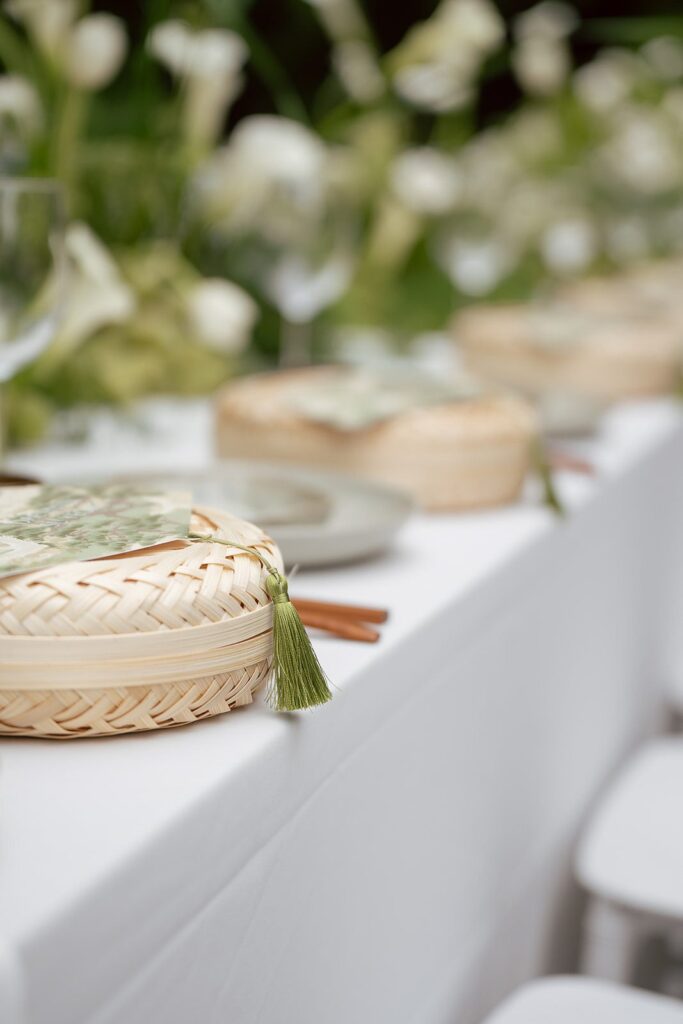
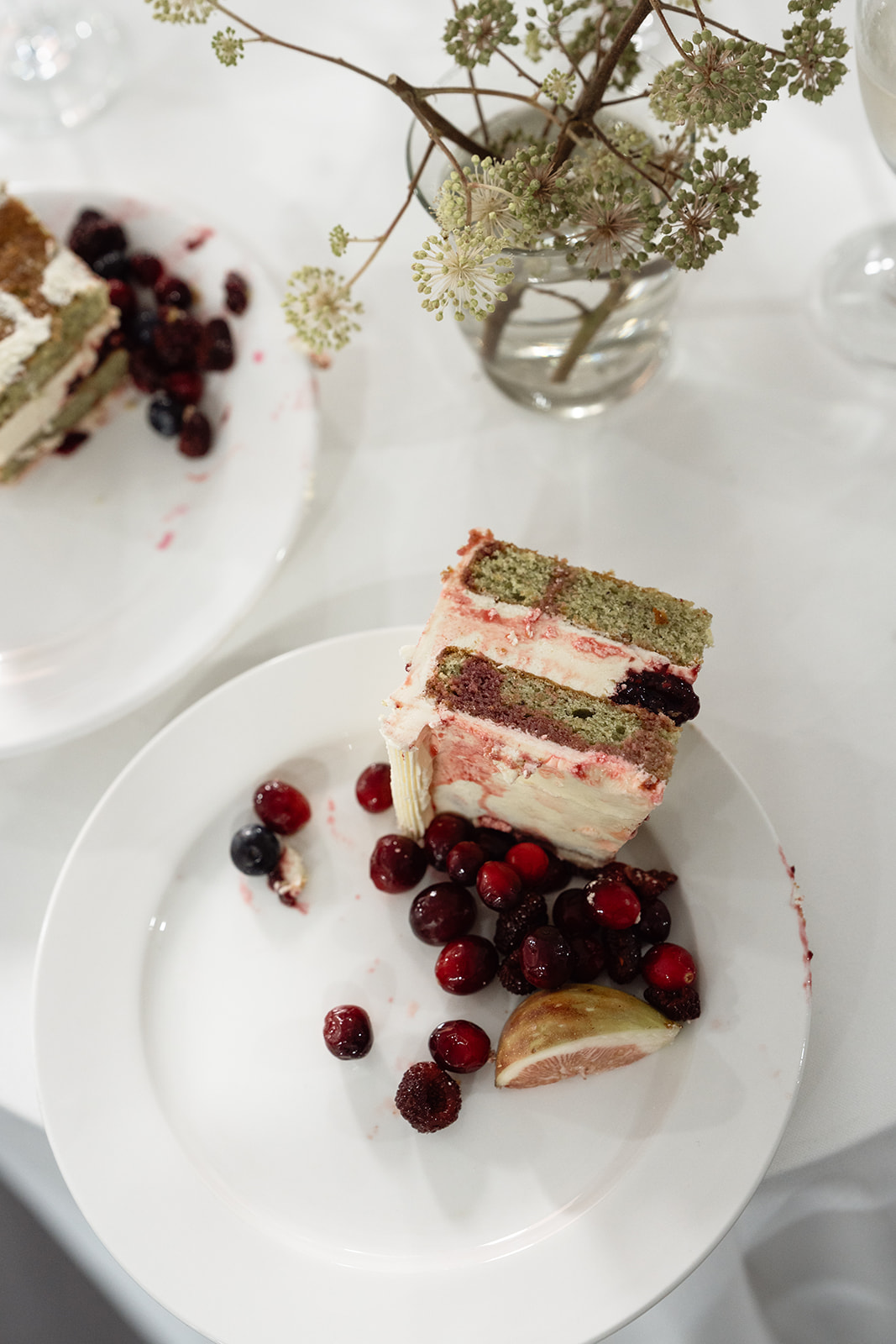
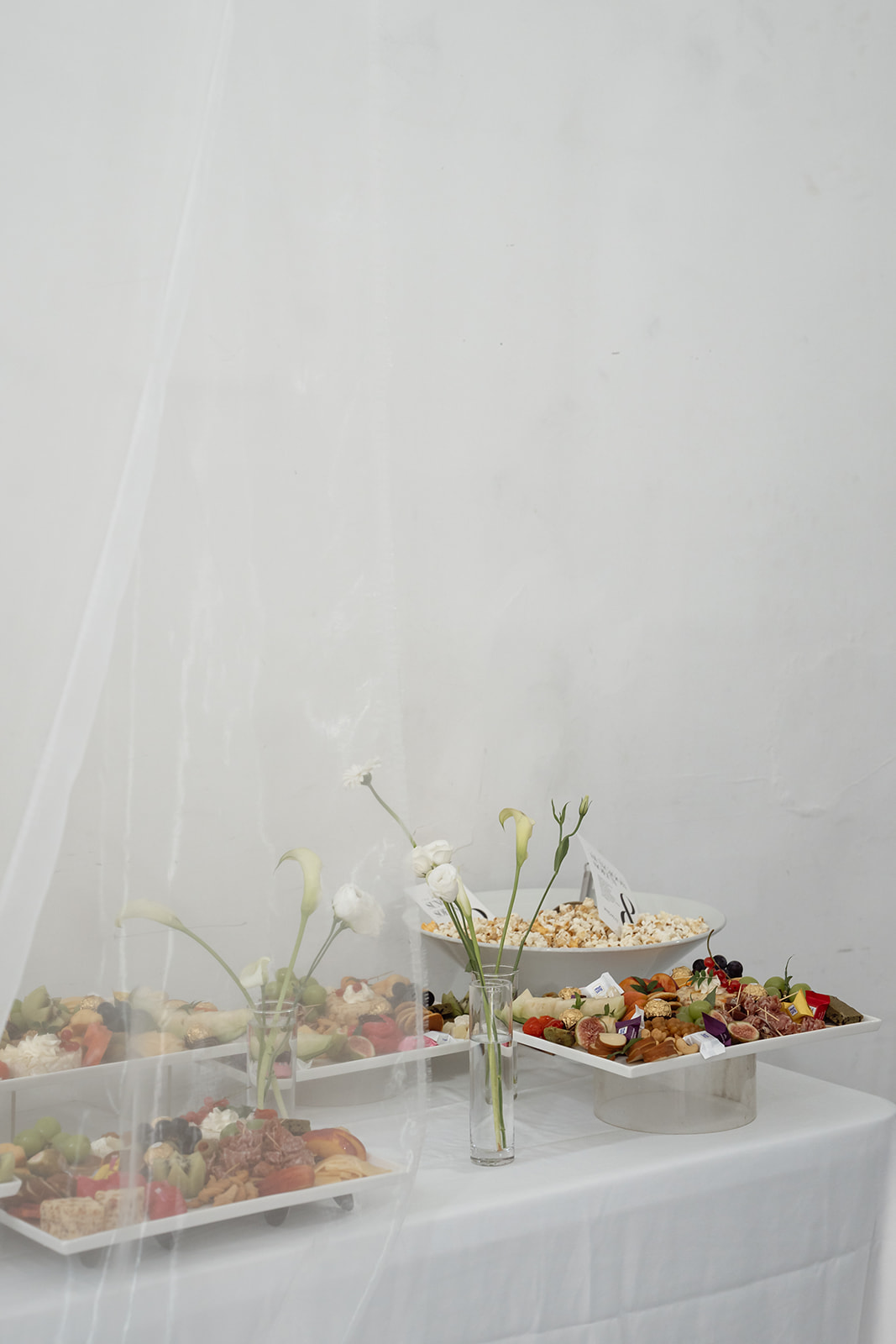
Food is a central part of the celebration, with most receptions featuring a buffet or seated meal. Dishes like galbi (grilled short ribs), japchae (stir-fried glass noodles), and yaksik (sweet rice cakes) offer a simple, beautiful—not to mention delicious—way to root your day in Korean culture. Some venues even offer a fine-dining experience, adding an extra layer of elegance to the day.
During the reception, it’s common for Korean wedding photographers to move alongside the couple throughout the meal service. However, I like to take a slightly different approach, focusing instead on moments of connection as they naturally unfold. By observing you and your guests, I can document genuine emotion—the quiet, fleeting moments that are often the most deeply significant.
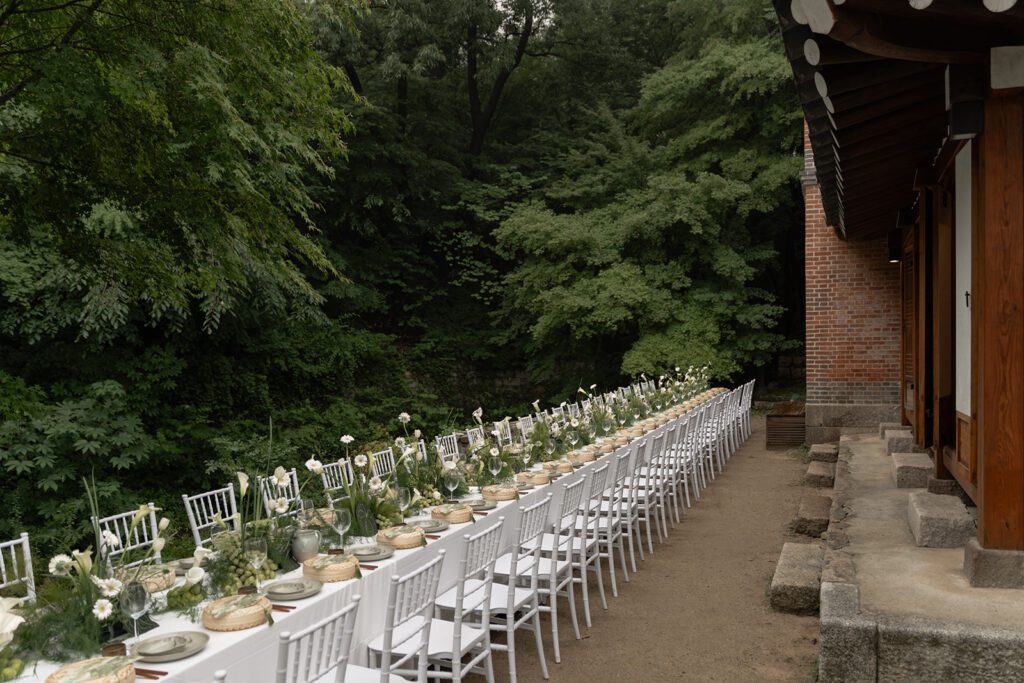
Crafting Your Wedding Day Timeline in Korea
Understanding how you want your wedding day to flow is the first step—what comes next is crafting your wedding day timeline. No matter how the cultural traditions from Korea shape your wedding day, having a timeline can help guide the flow and allow everything to unfold with ease.
More than just a schedule, your wedding timeline is an anchor that protects your experience. It helps ensure you’re spending your time the way you truly want to—with your people, with each other, and in moments that matter.
Advice for Crafting Your Wedding Timeline—From a Korean Wedding Photographer
If I had to give just one piece of advice, it would be this: leave a little breathing room in your timeline. Events often take longer than expected, and that’s okay. Buffer time gives you flexibility and keeps the day from feeling rushed.
I also encourage couples to think about the moments they’ll cherish years from now. Maybe that’s a quiet exchange with your grandmother, or a few minutes laughing with friends who traveled across the world to be there. Allowing for these emotional moments is what makes your wedding feel not just beautiful, but deeply yours.
As always, I’m more than happy to help craft a timeline that reflects your vision. With a deep understanding of both Western and Korean weddings, I help my couples navigate the differences and create an experience that embraces the culture here while still feeling entirely you.
How to Weave Korean Wedding Traditions Into Your Celebration
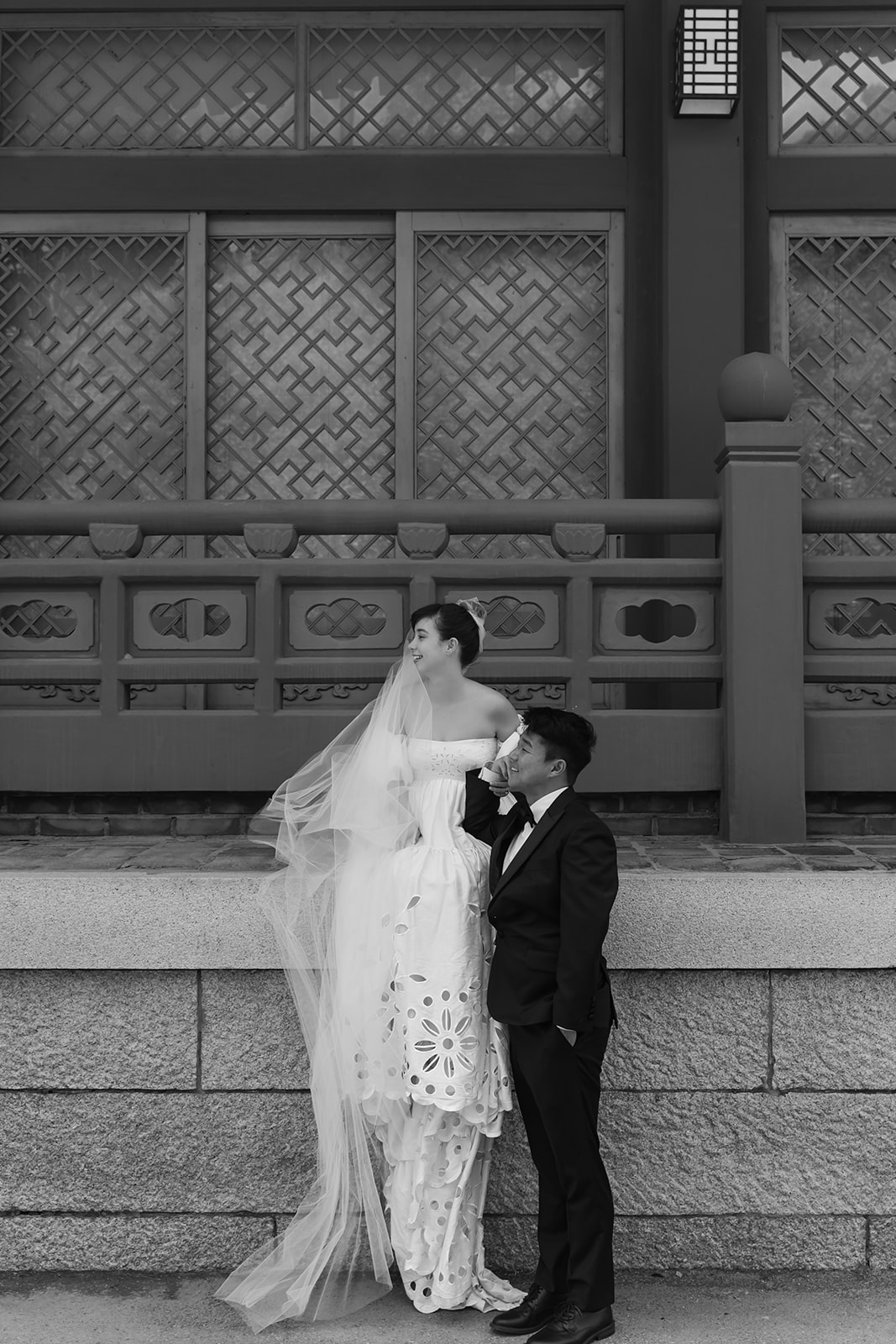
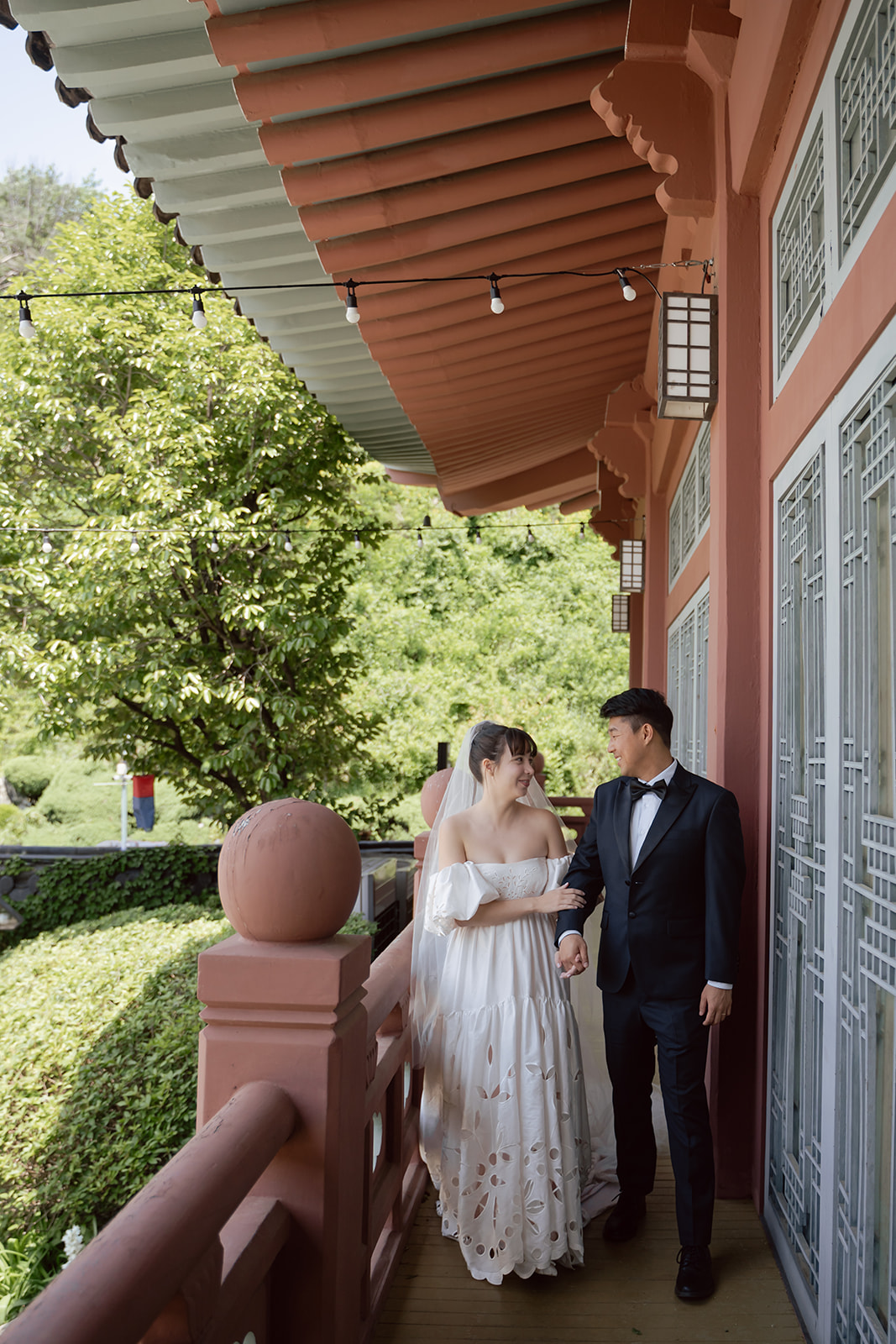
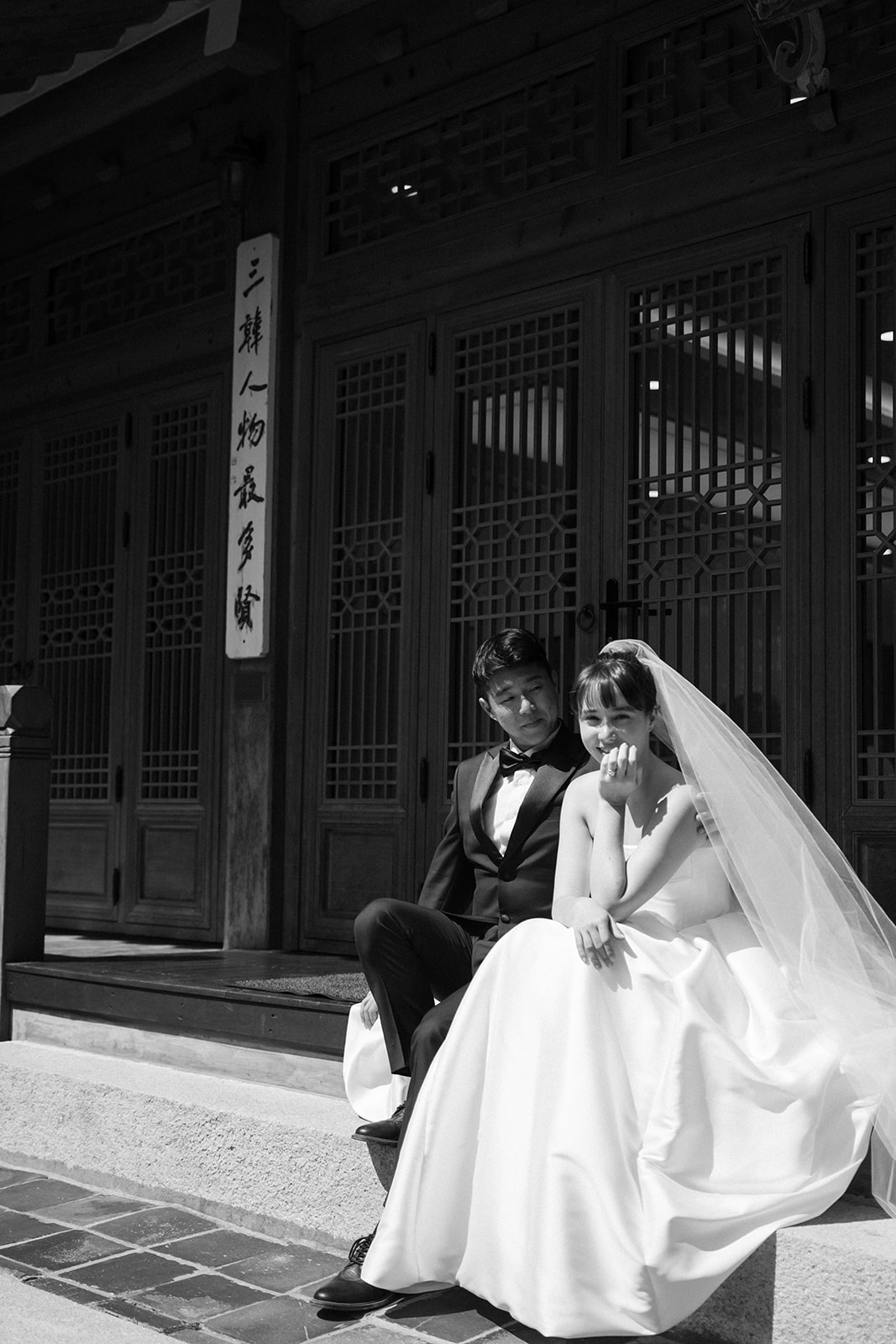
Blending traditions from your own background with Korean heritage is a beautiful way to honor both your story and the country you’re choosing to get married in.
This might look like incorporating a traditional Korean tea ceremony, adding Korean-inspired décor or cuisine, or even replacing a traditional ring bearer pillow with wooden geese or ducks, symbols of lifelong partnership and devotion. When you can stitch these elements together thoughtfully, your day feels much more purposeful and mindfully crafted.
If you’d like to take a deeper dive into the traditions found in Korea, you can learn more in my Korean wedding day ritual guide.
Creating Memorable Moments While in Korea for Your Wedding Day
How Outfits and Color Can Add Significance
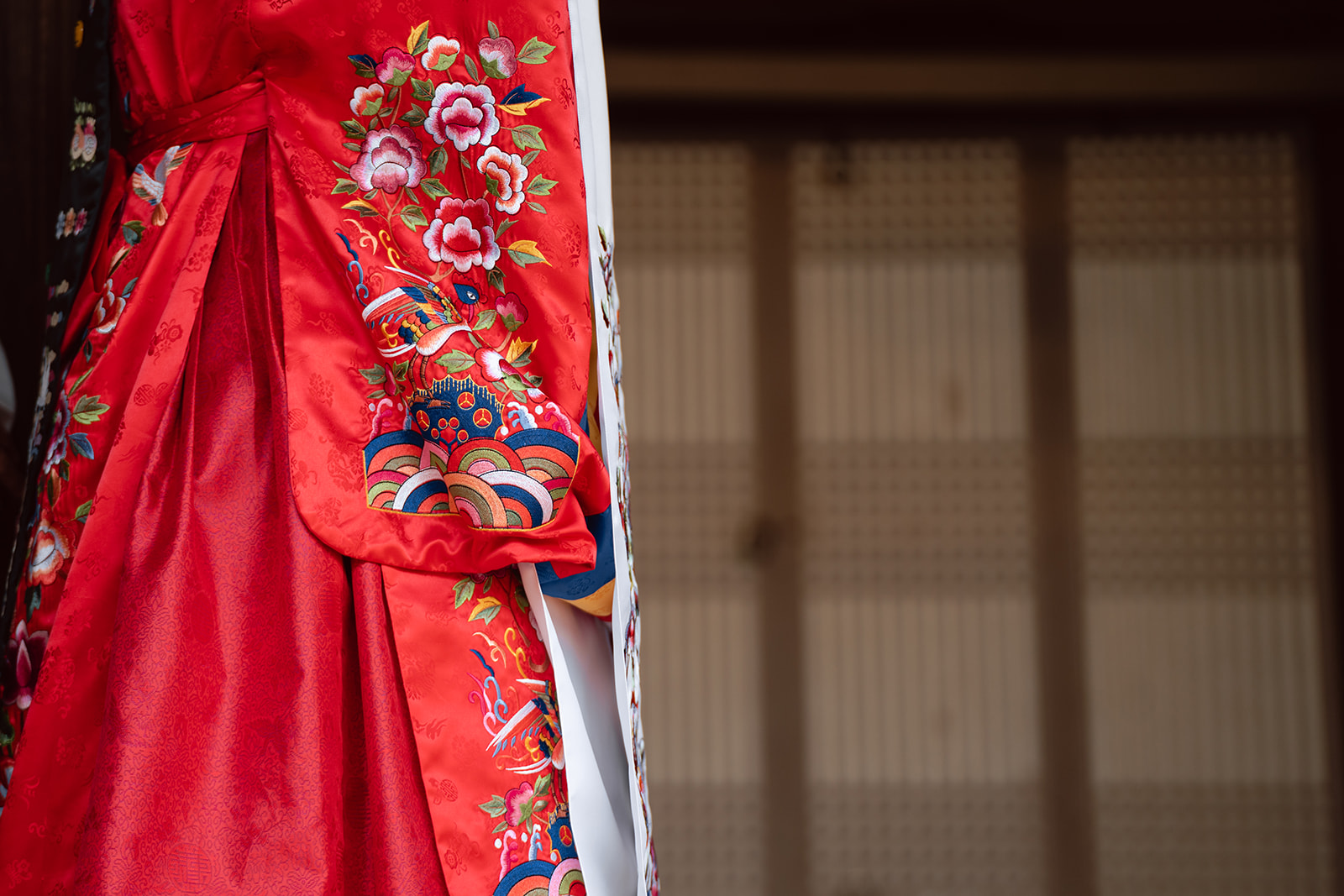
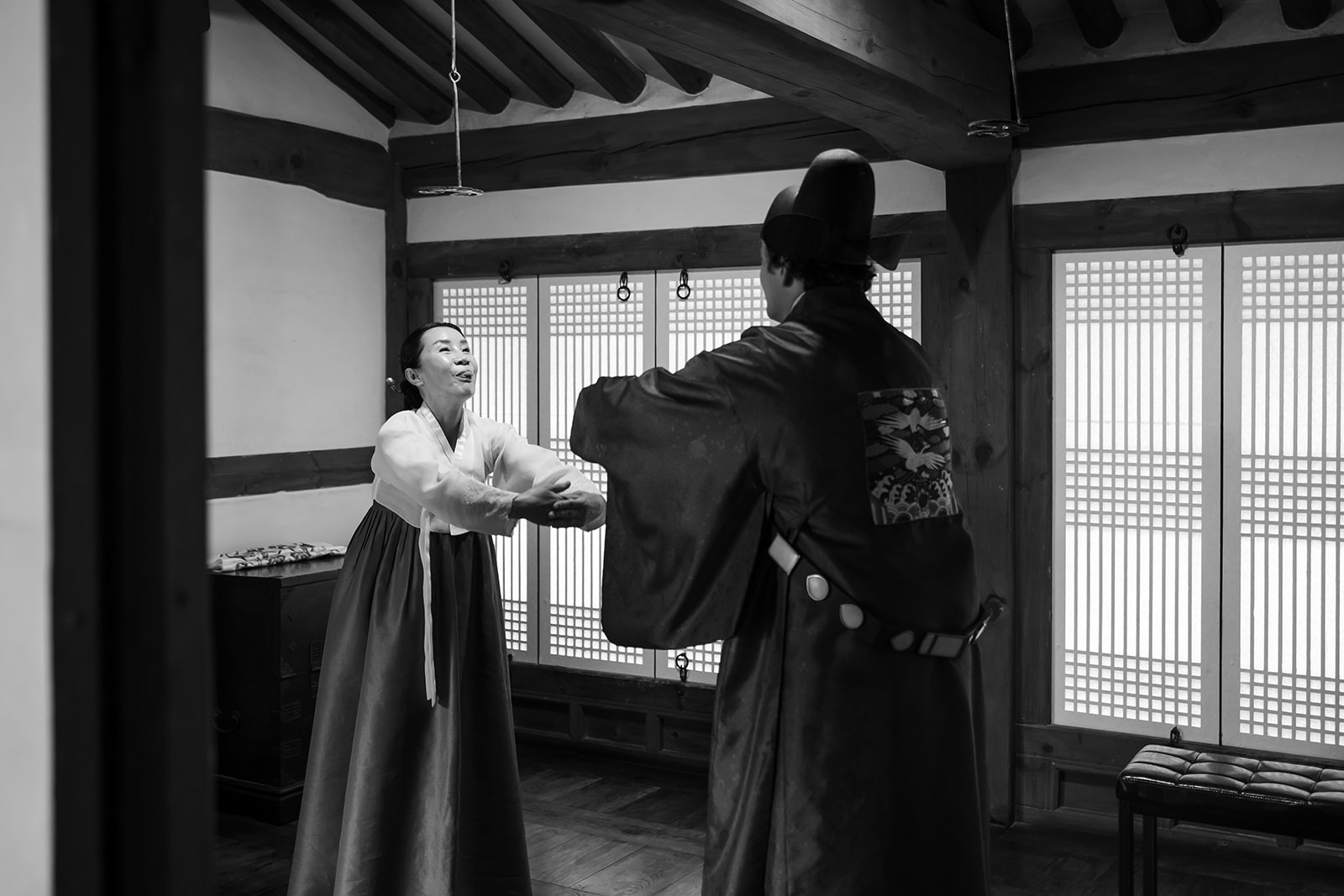
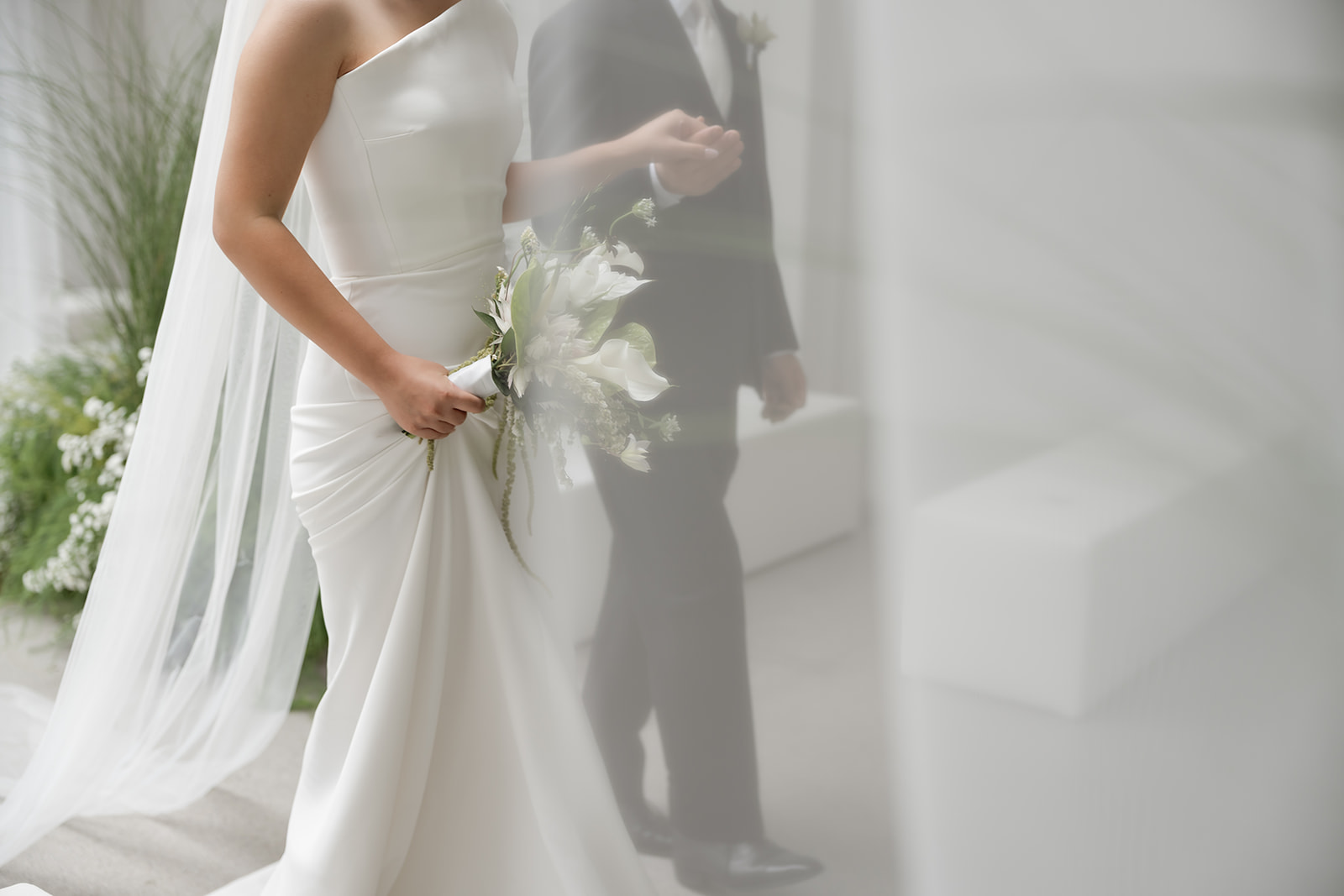
It is common for couples getting married in Korea to change outfits between their ceremony and reception. If you would like to honor Korean tradition in this way, consider slipping into a hanbok, the traditional Korean outfit and pay attention to specific colors—like red for good fortune or blue for tranquility—as they can add even more depth to your day.
Guest Experiences That Feel Intentional
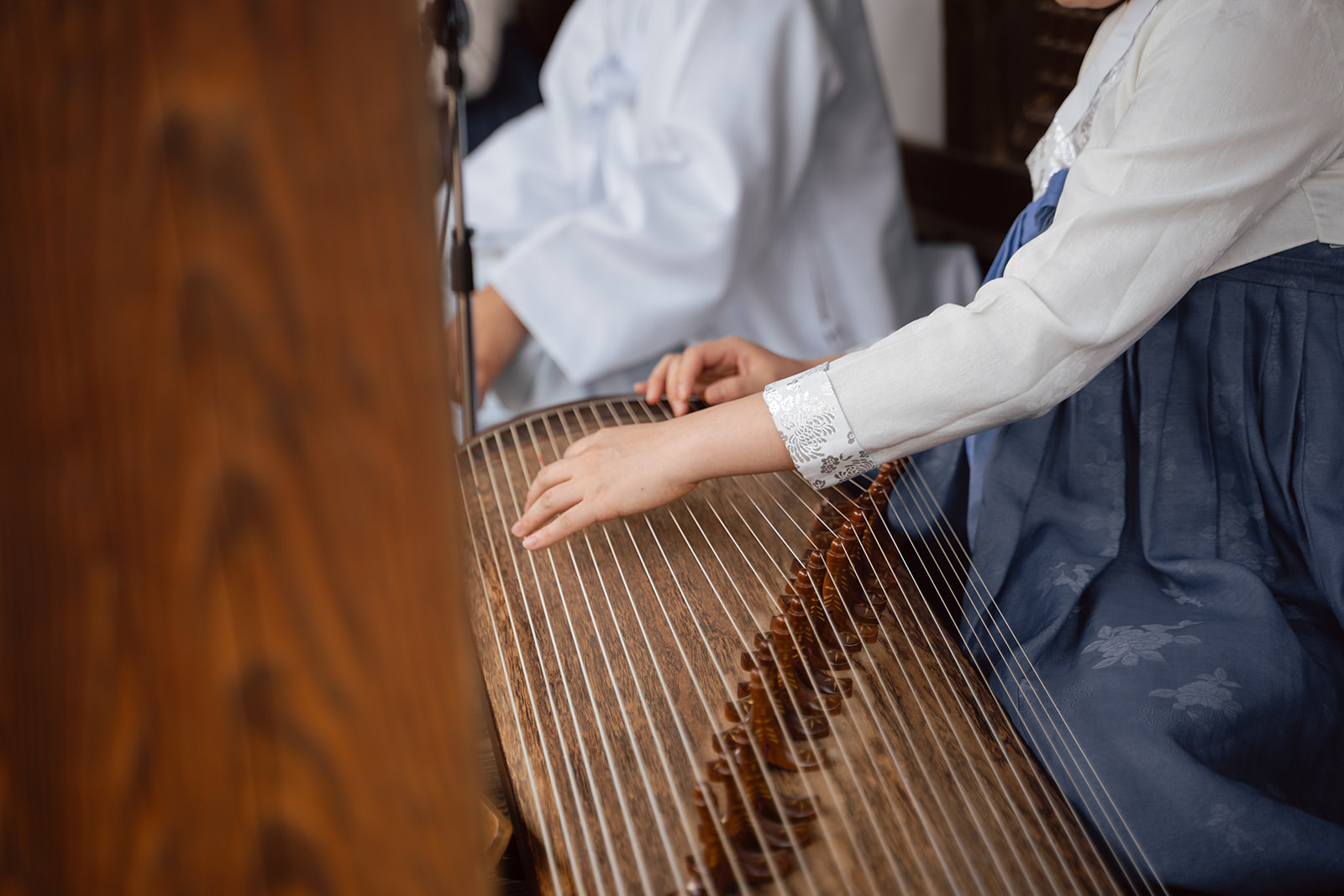
Incorporating memorable experiences for your guests is a wonderful way to make them feel loved and appreciated—especially those who’ve traveled from far away to celebrate with you. You might include a Korean ceremony to give them a taste of local culture, or plan interactive moments like a photo booth or a traditional samul nori performance.
If your schedule allows, consider extending the celebration with an after-party. This could take place in a karaoke room, a bar lounge, a club, or even a private space for a more intimate gathering. It’s a wonderful way to add another layer to your wedding and give your guests a chance to experience a different side of Korea.
Planning Your Korean Wedding Day With Trusted Support
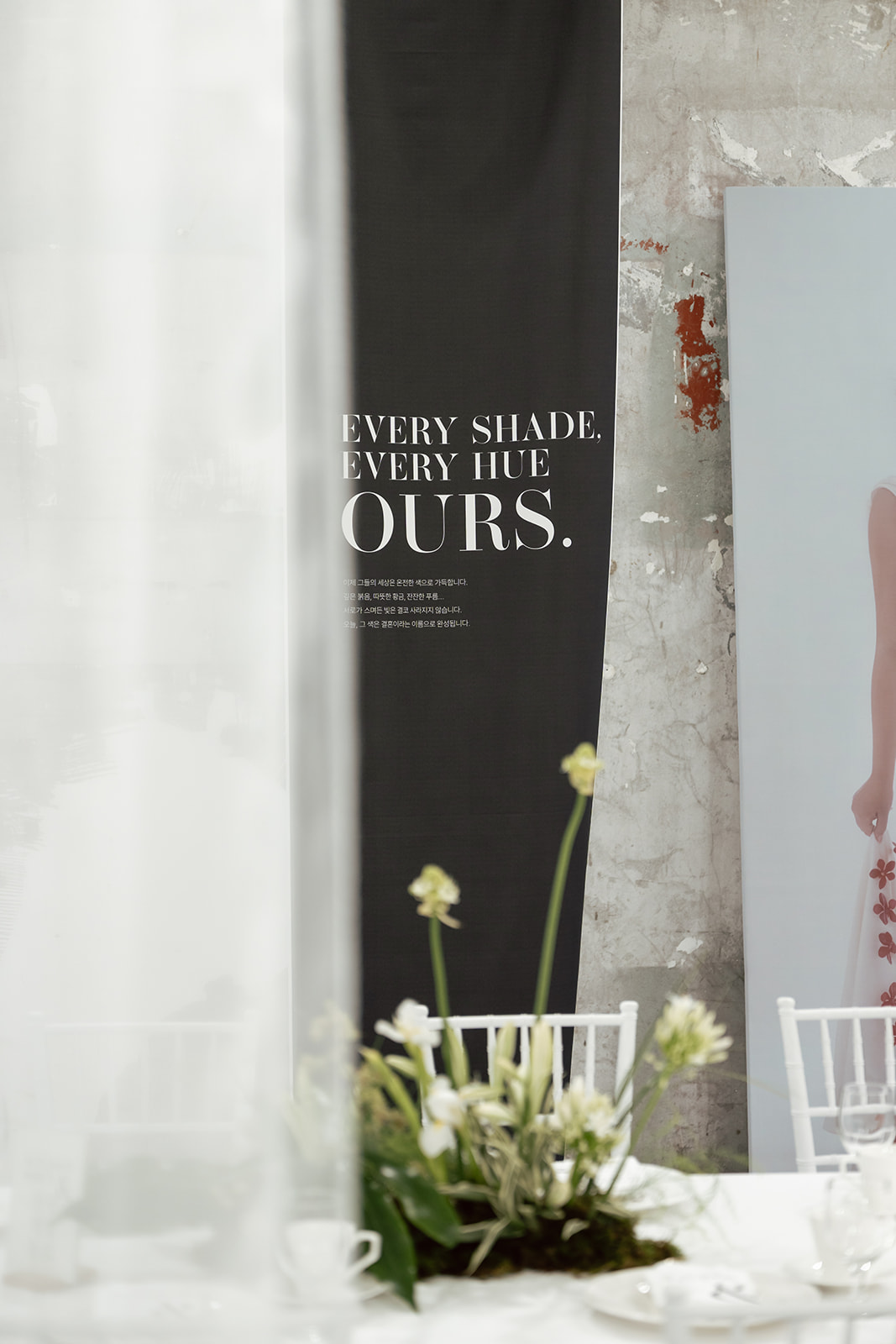
A wedding day that feels calm and intentional begins with a team who understands your vision and the cultural rhythm of weddings in Korea. Some venues operate within firm structures, and when your plans fall outside the expected flow, having culturally fluent vendors makes all the difference. When your planner, coordinator, and photographer are aligned, the day moves smoothly, your timeline holds, and you’re free to be fully present in each moment.
With the right team in place, everything softens. You’re no longer answering questions or managing logistics—you simply get to experience your wedding day as it unfolds. A day-of wedding director plays a key role here, handling communication and smoothing over the small details so you can stay grounded, excited, and immersed in the celebration.
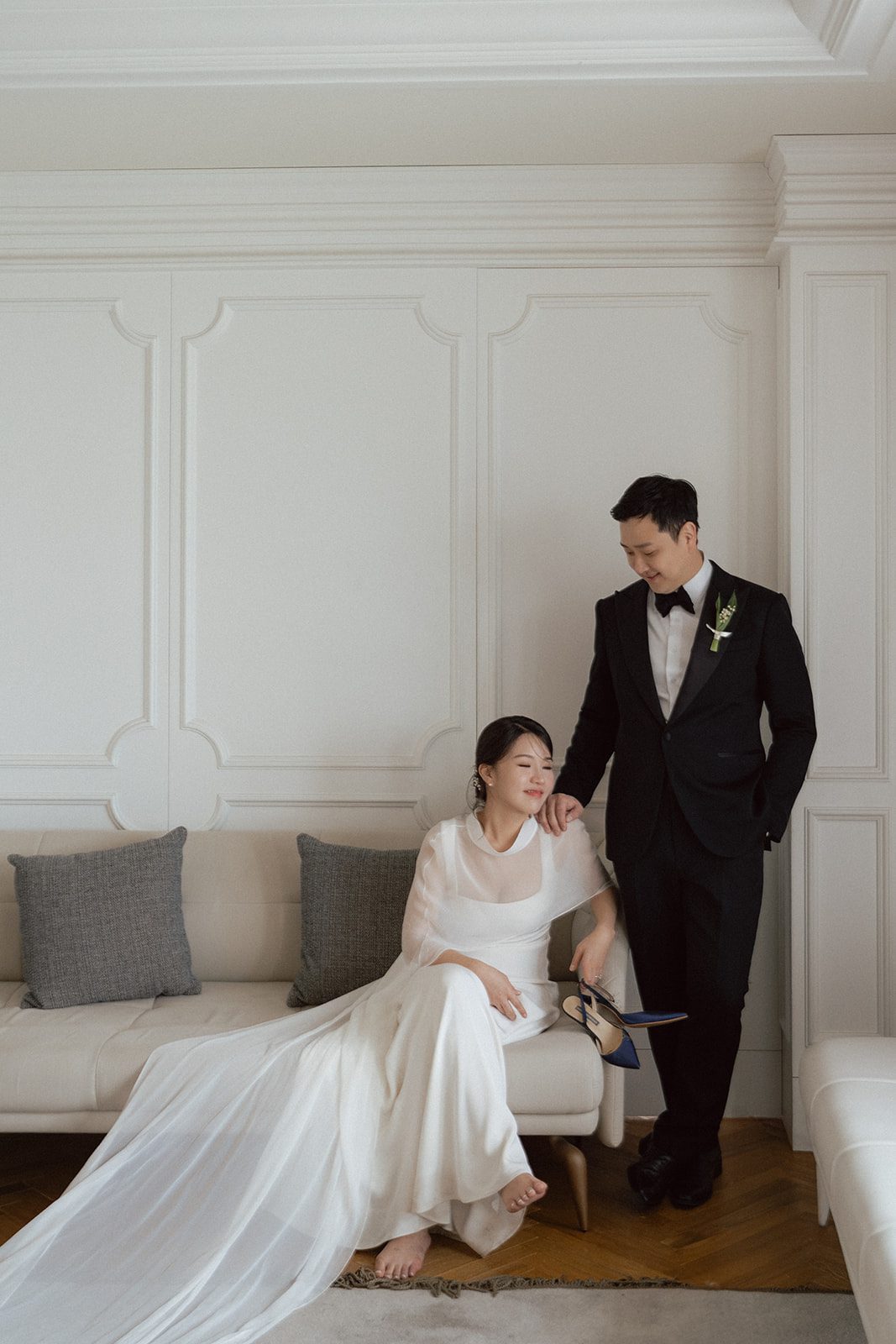
This sense of ease is what allows meaningful moments to surface naturally. My approach to photographing weddings is gentle and unobtrusive. Rather than directing or following a rigid checklist, I observe and document the quiet in-between moments—the shared glances, fleeting gestures, and unguarded laughter that reflect the true spirit of your day.
If you’d like to learn more about my approach, you can explore my blog on what luxury wedding photography in Korea truly means.
FAQs About Your Korean Wedding Day
In Korea, what are the traditional wedding day customs and rituals?
Korean weddings are filled with beautiful traditions, customs, and rituals that can add layers of intentionality to your day. Changing into a hanbok or sharing a tea ceremony are both ways to honor this culture, and even small touches, like choosing a specific color, can carry significance both for you and within Korean tradition.
When deciding which customs to include, let your heart guide you. Follow the ones that draw you in, and feel free to leave aside those that don’t speak to you. The rituals that resonate most become more than tradition—they become personal moments that make your wedding uniquely yours, adding depth, intention, and quiet beauty to every detail.
In Korea, how is a wedding day typically planned?
Weddings in Korea often involve the support of planners or wedding directors, especially since many venues—particularly hanok venues—don’t work directly with couples. When choosing your planner or director, it’s important to find someone who can work seamlessly with your chosen venue and advocate for your vision. The right team helps everything flow smoothly, so your day can feel calm, intentional, and fully yours.
Is day of coordination important for my Korean wedding?
Having day-of coordination can ease stress and keep family and friends from being pulled into managing logistics. Vendors often have questions throughout the day, and having a trusted team to handle them allows you to stay fully present and enjoy your celebration. For most couples traveling from overseas, even partial planning support or dedicated day-of coordination can make a big difference, helping navigate language, logistics, and the little details so your day flows smoothly.
What are the benefits of having a smaller wedding in Korea?
Smaller weddings bring a wonderful sense of freedom. You can choose one-of-a-kind venues—like Anne and Luca did for their Parisian-inspired micro-wedding at L’Escape Hotel—wander to offsite locations for portraits, and enjoy a day that feels unhurried, personal, and truly your own.
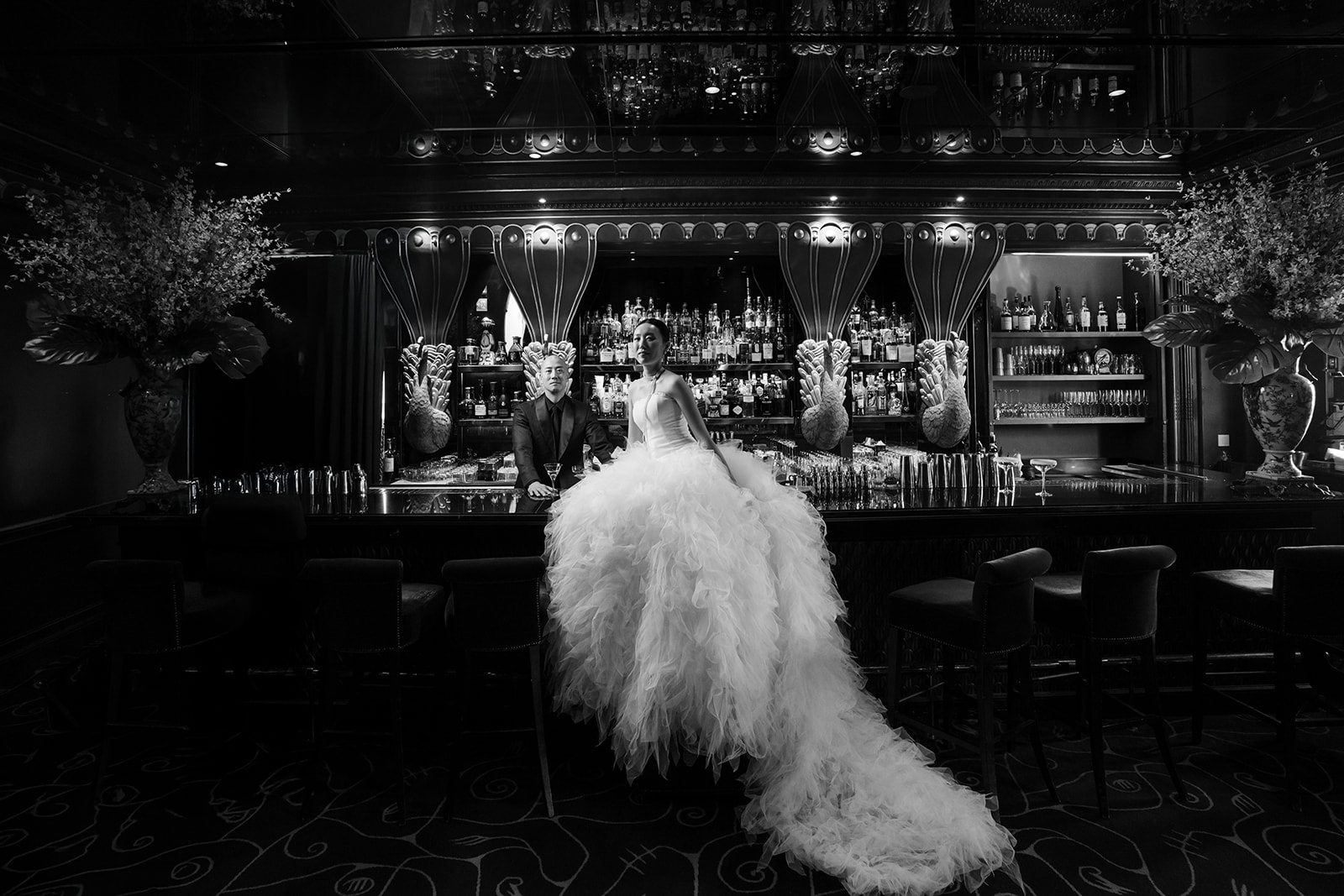
Korea offers space for a wedding day that respects tradition, while allowing your vision to guide what feels most meaningful to you. By embracing the rhythm of the day, crafting a thoughtful timeline, weaving in cultural moments that truly resonate, and surrounding yourself with a trusted team, your celebration can unfold with ease, intention, and heart—becoming a day you’ll carry with you forever.
To learn more about planning your wedding in Korea, explore part 1 of this guide on cultural insights and personalization, or part 2 covering venues and vendors. And if you’re ready to start planning your own wedding in Korea, I’d love to connect and help you bring your vision to life!