written by Sonder Studio
From the quiet courtyards of centuries-old Hanoks to the neon heartbeat of Seoul, Korea is a destination that invites your love story to unfold in unforgettable ways. As a Korean wedding photographer who has lived here for over a decade, I love helping couples weave their love story into the rhythm of this country, capturing memories that feel timeless and true. If you’re searching for guidance on planning a wedding in Korea, I’ve created a three-part guide to share everything you need to know. Below is part one, which covers cultural insights, venue types, and simple ways to personalize your wedding so it feels meaningfully yours.
The Three-Part Series on How to Plan a Wedding in Korea
- Part 1: Cultural Insights and Personalization
- Part 2: Venues and Vendors
- Part 3: Your Wedding Reception
Understanding Korean Wedding Culture
What Are the Differences Between Planning a Wedding in Korea versus in the West?
Weddings, whether in Korea or the West, are filled with tender, unforgettable moments—but the cadence of the day can feel a little different depending on where you are. In Korea, for example, couples often begin their day at a hair and makeup studio before arriving at the venue, rather than getting ready in a hotel or at home—a small distinction that shapes the flow of the day and the way memories are made.
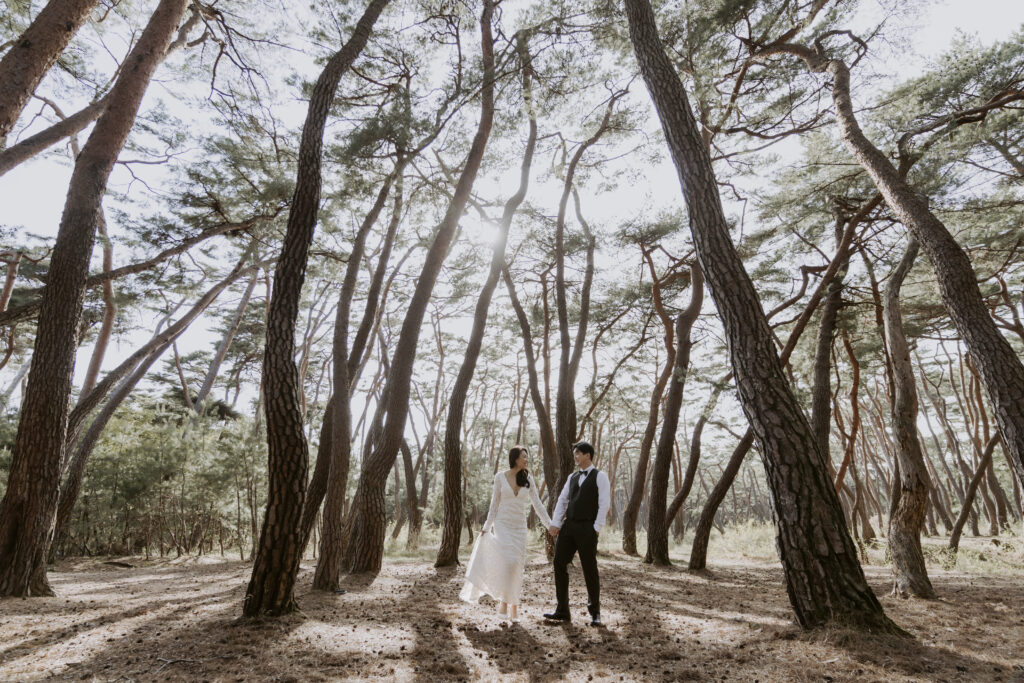
Pre-wedding photos hold a cherished place in Korean wedding culture, too—crafted across multiple looks and locations, these sessions capture your love in a way that feels effortless, timeless, and unhurried.
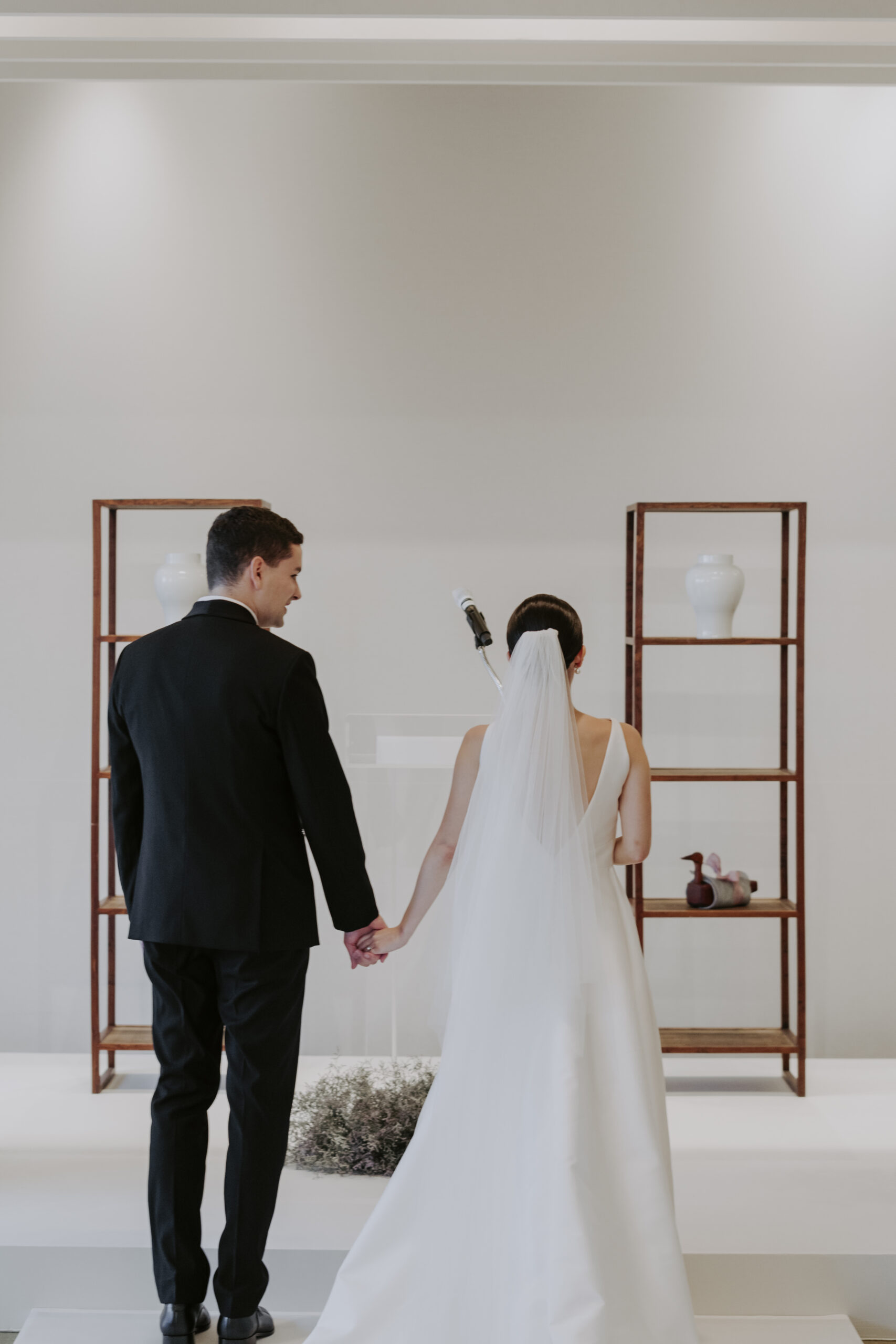
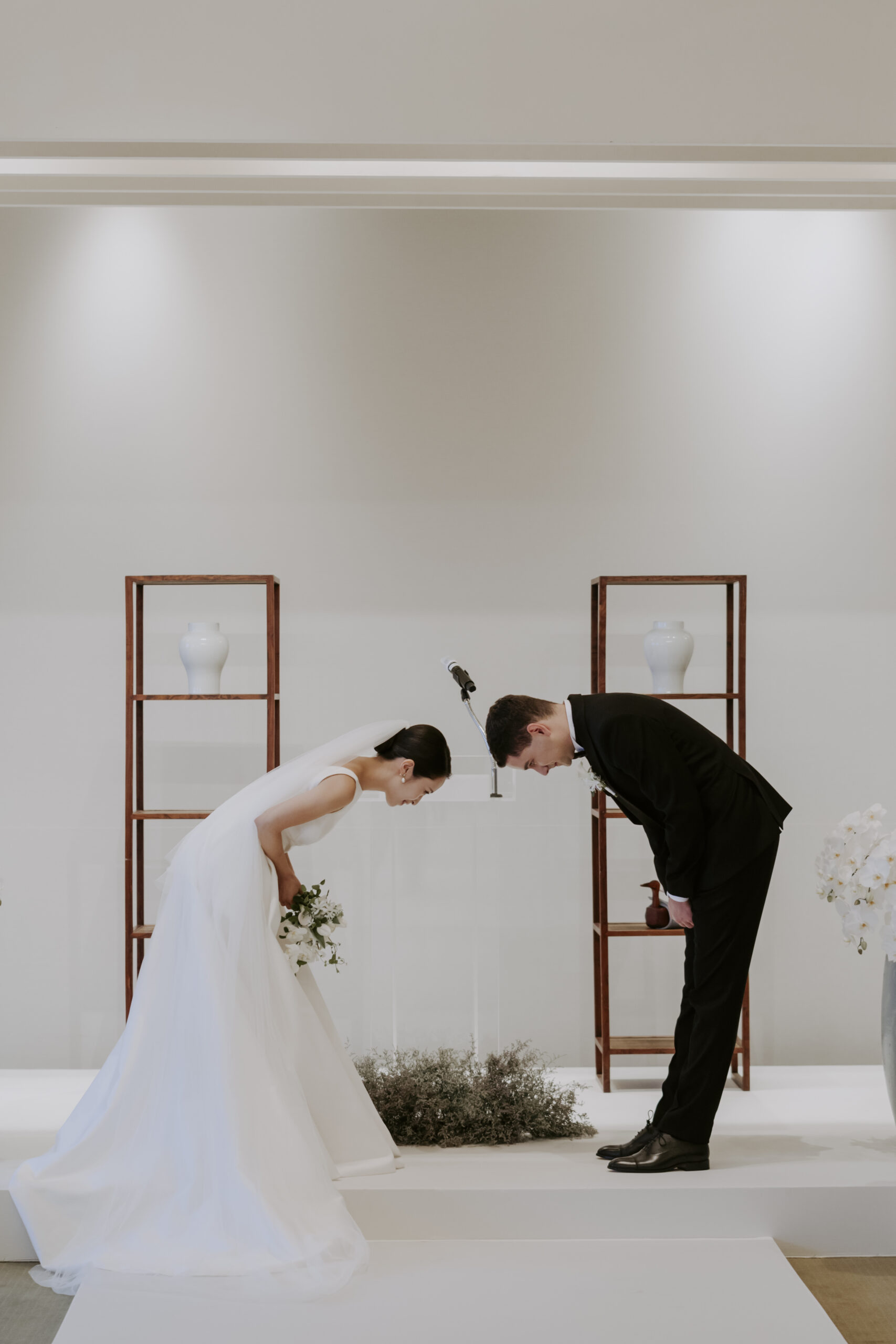
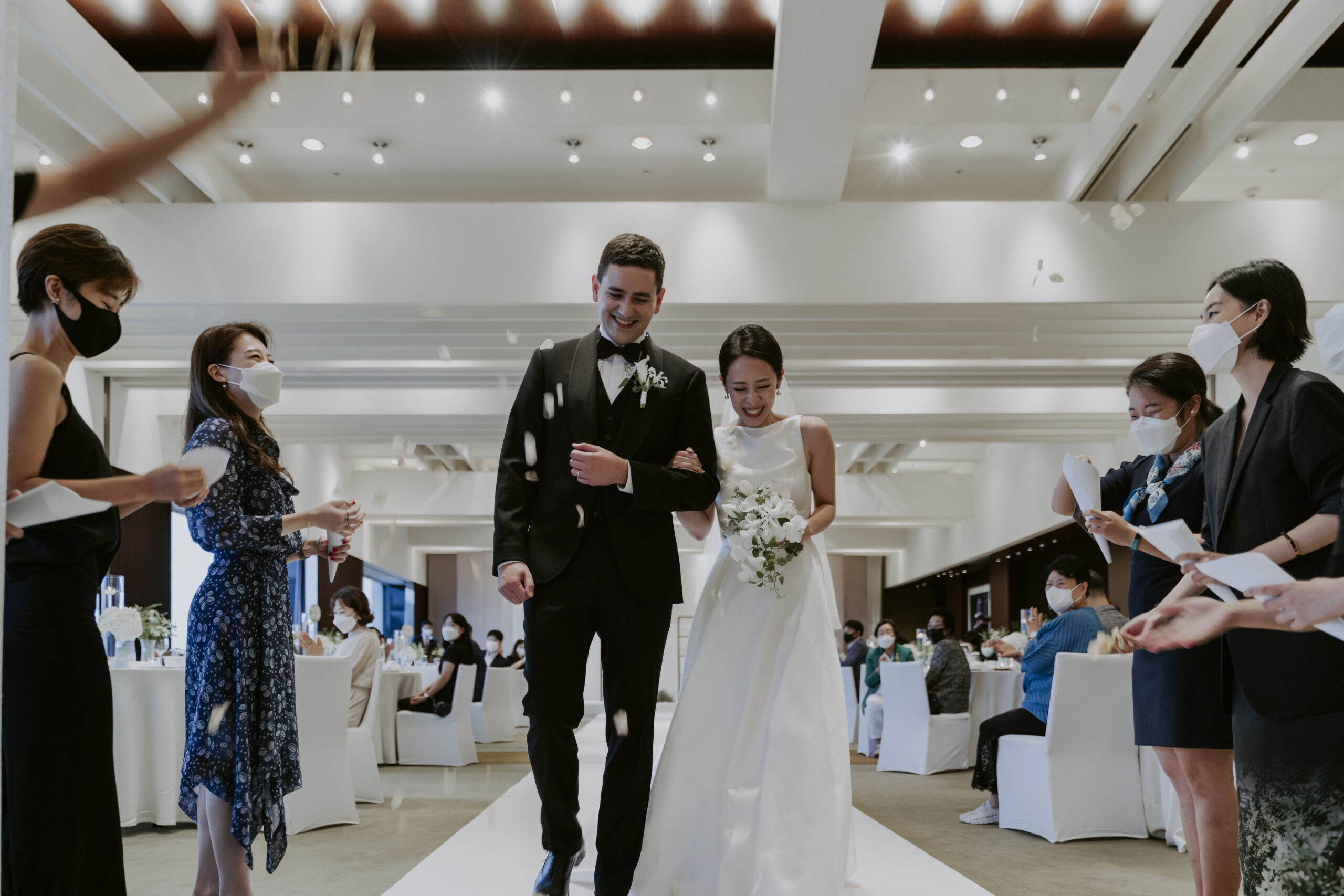
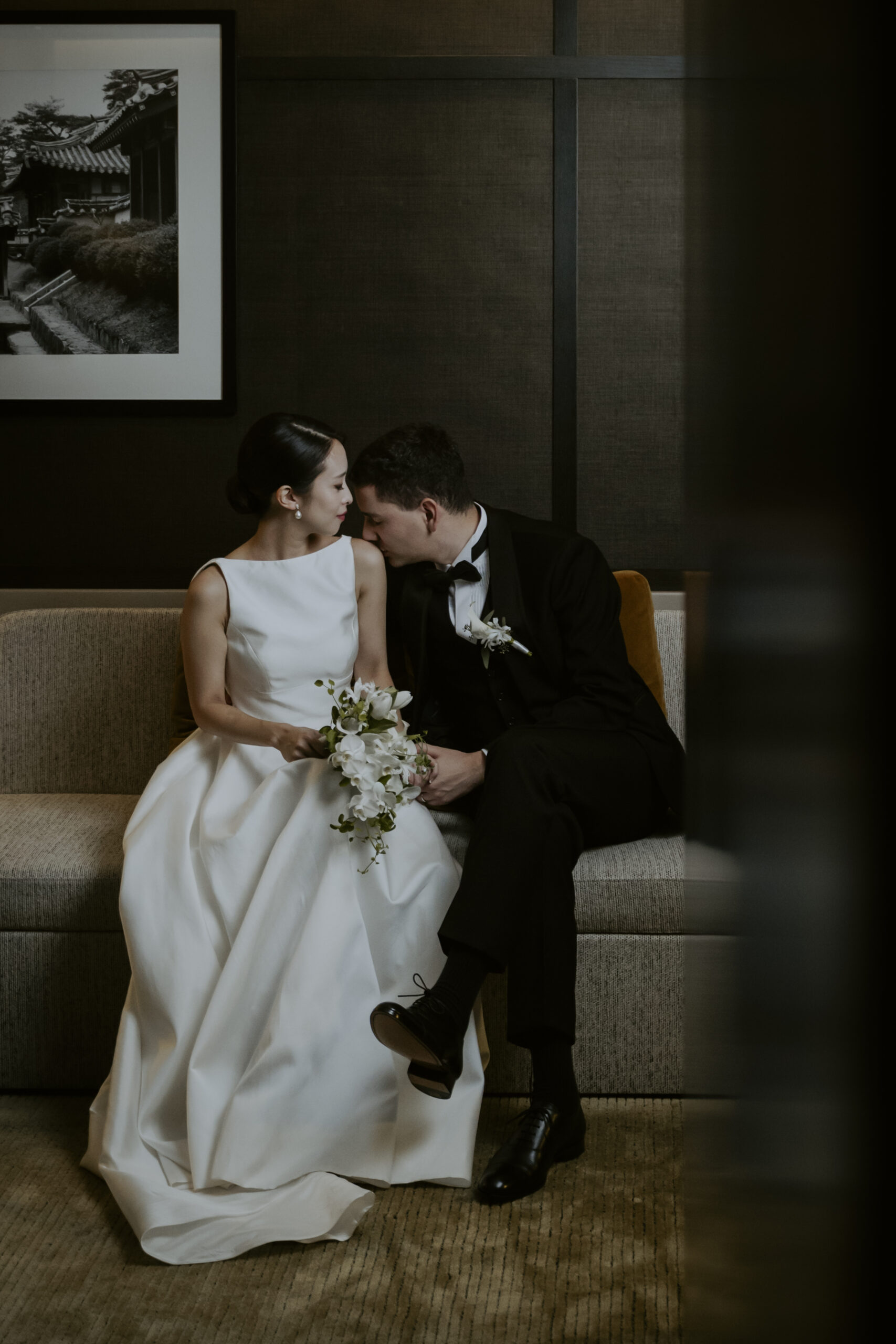
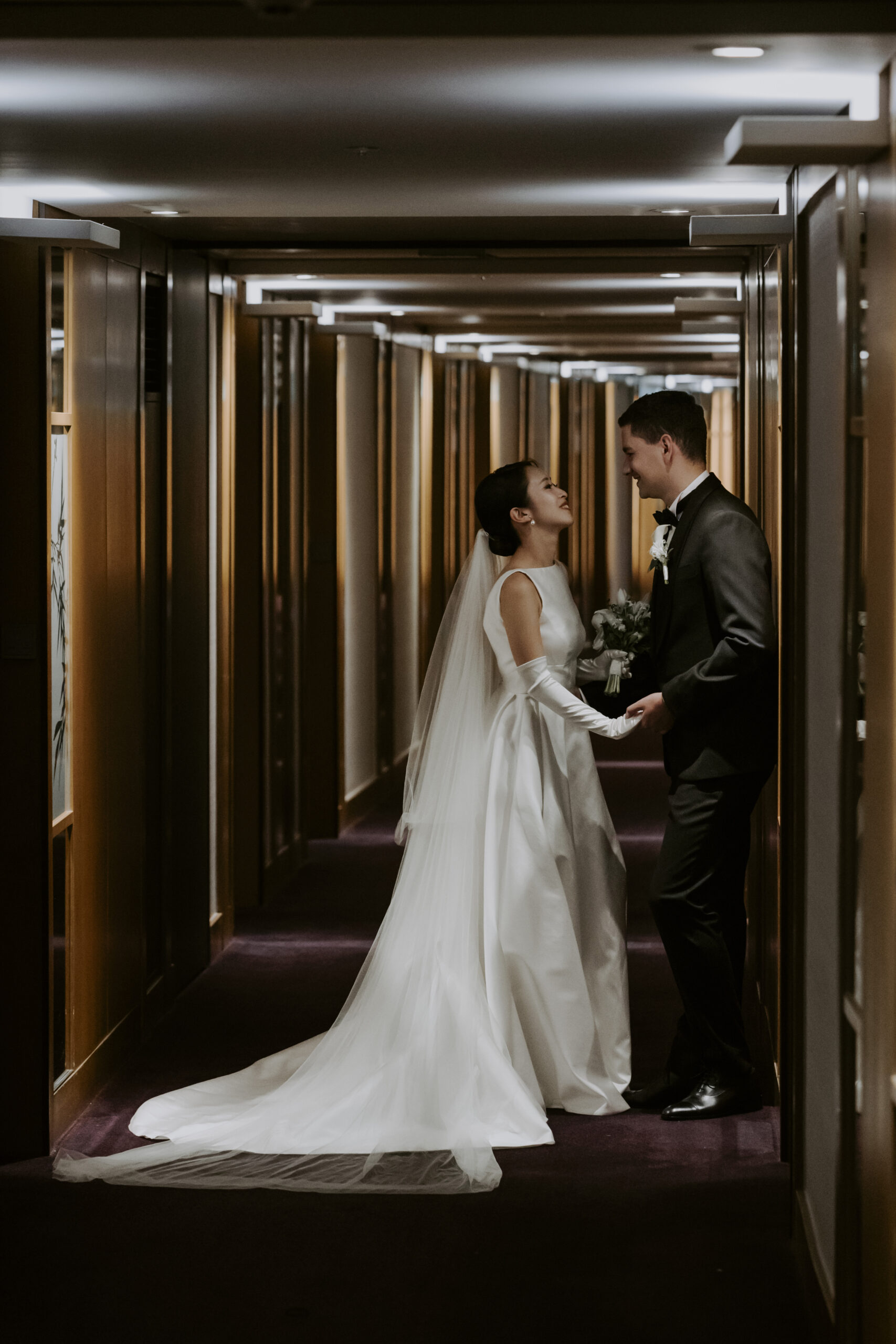
Another thing that often differentiates a wedding in Korea from western weddings is that on the wedding day itself, couples often remain at the venue for portraits rather than moving between locations. This structure allows the day to flow with calm intention, quiet joy, and a sense of ease that makes every moment feel both intimate and beautifully curated.
What Are some Key Traditions, Ceremonies, or Rituals Included in Korean Weddings?
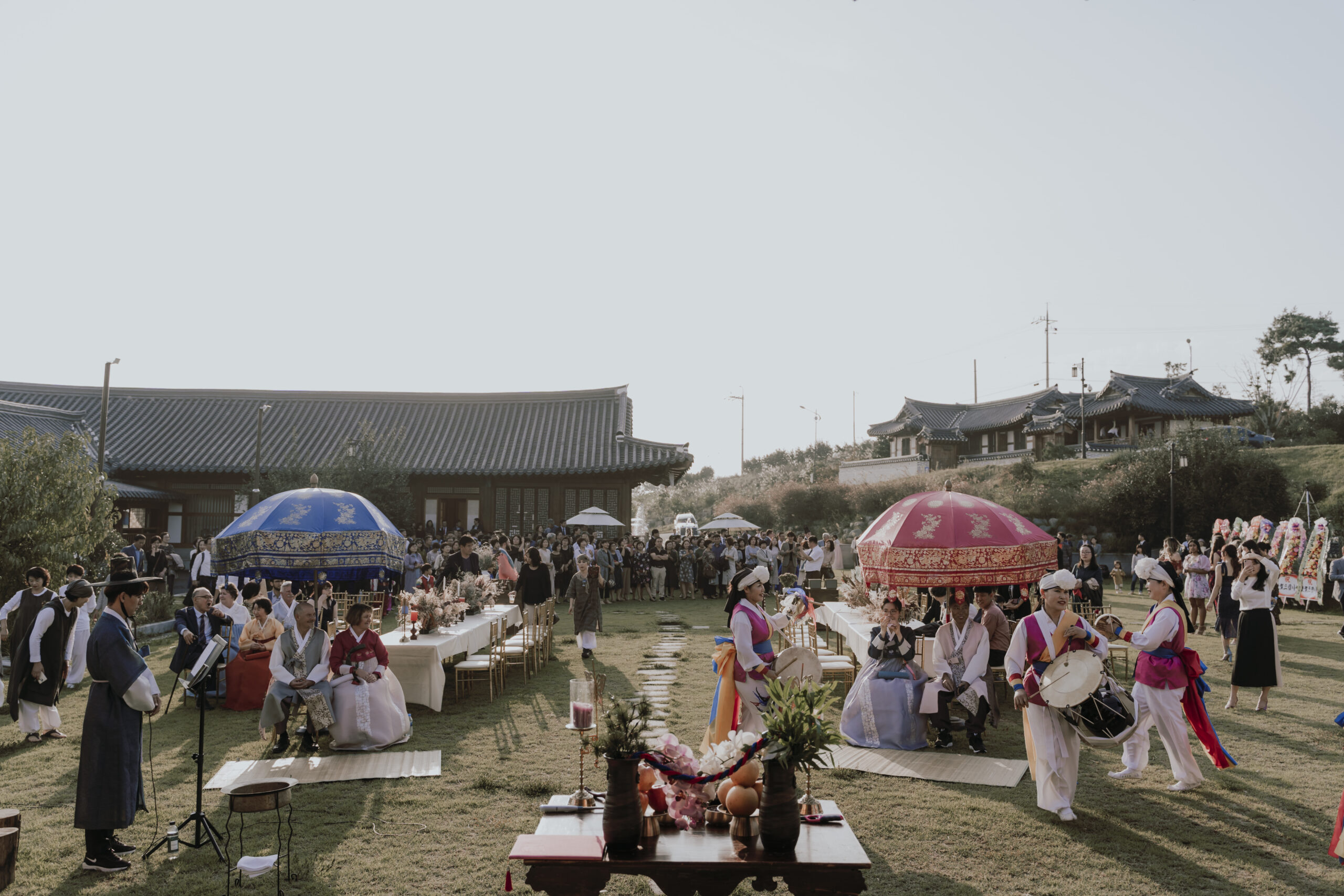
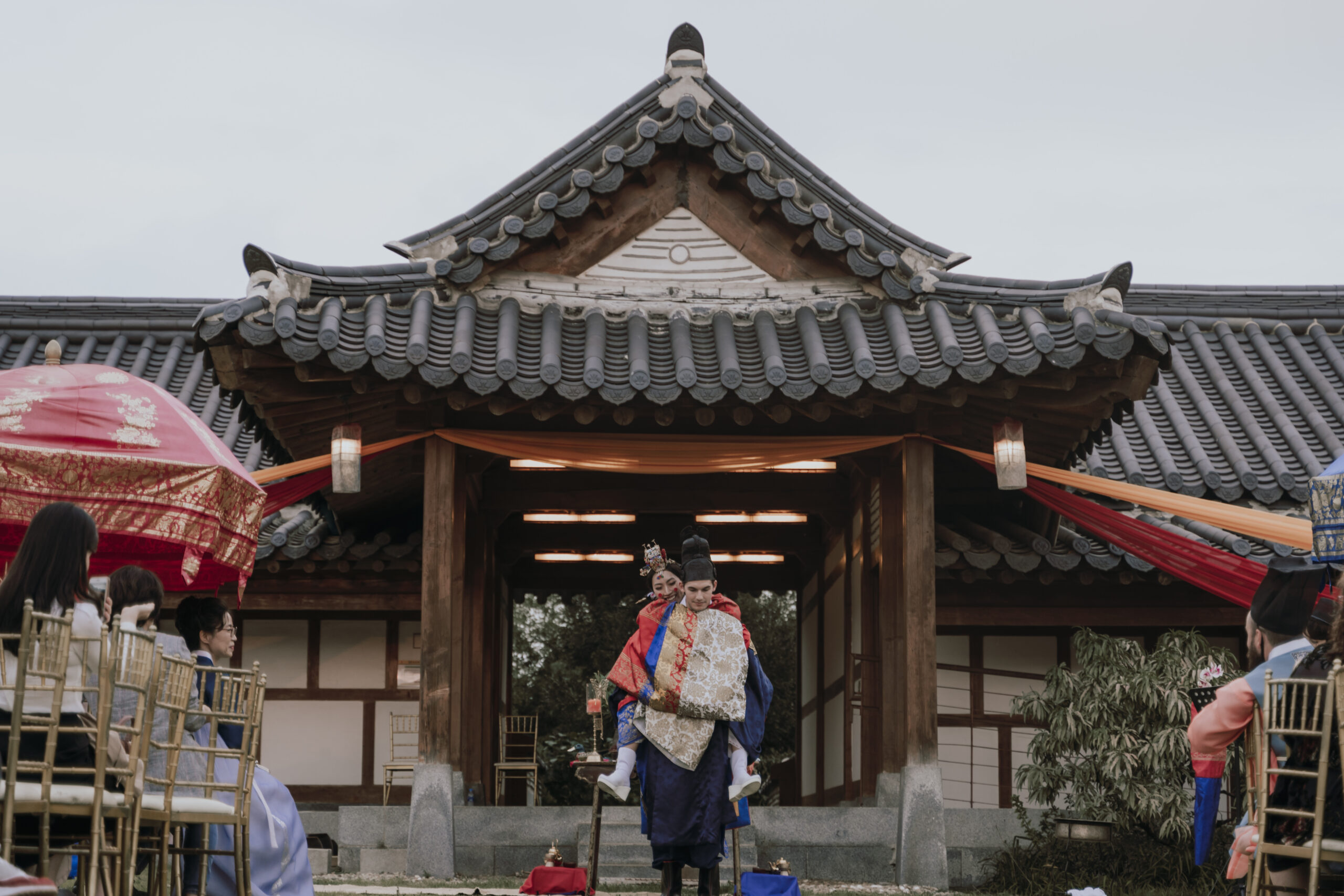
If you’re planning a wedding in Korea, incorporating a local ritual can be a deeply meaningful way to connect with the culture and make your wedding feel even more personal. These moments add a sense of history, symbolism, and quiet luxury that stay with you long after the day is over.
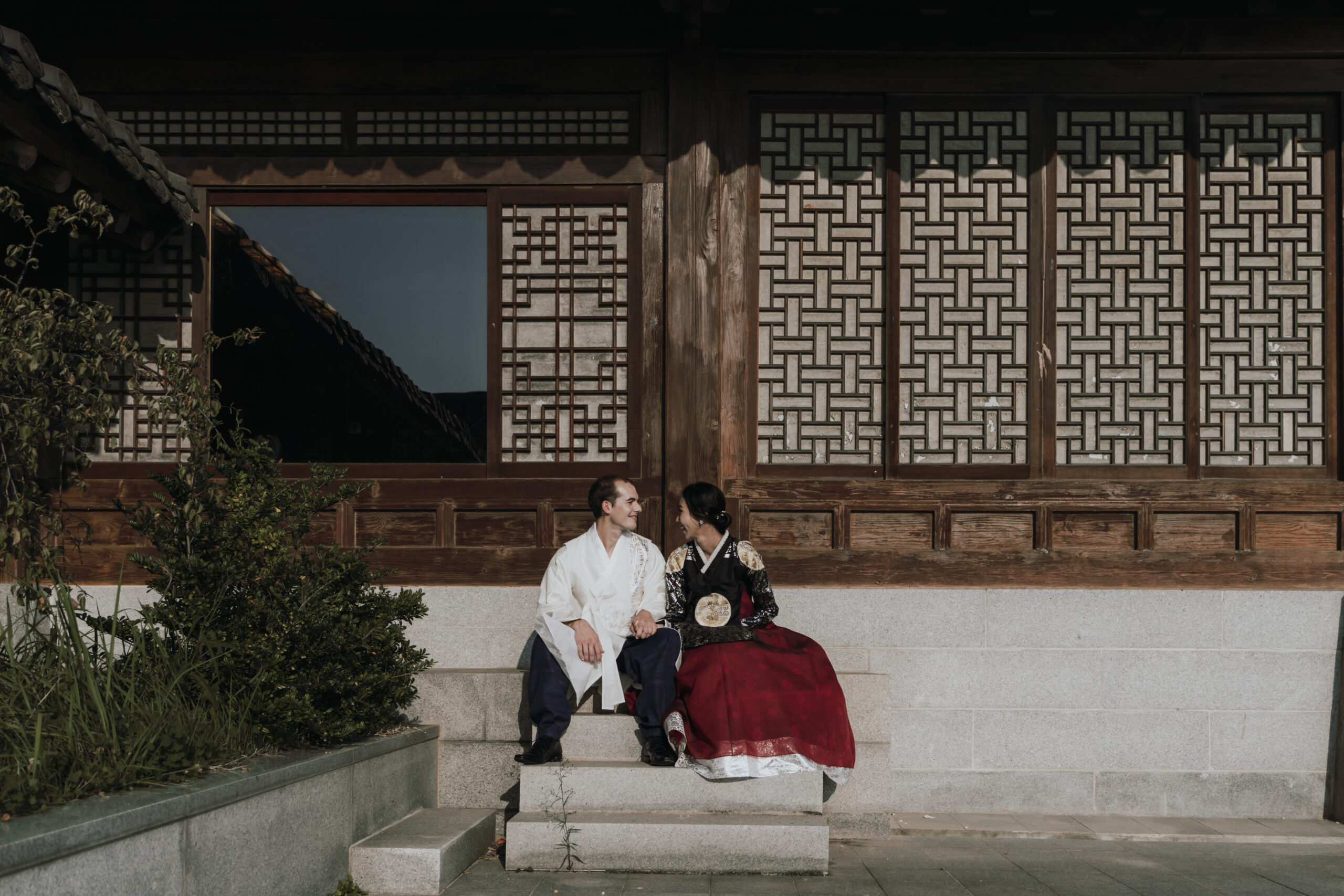
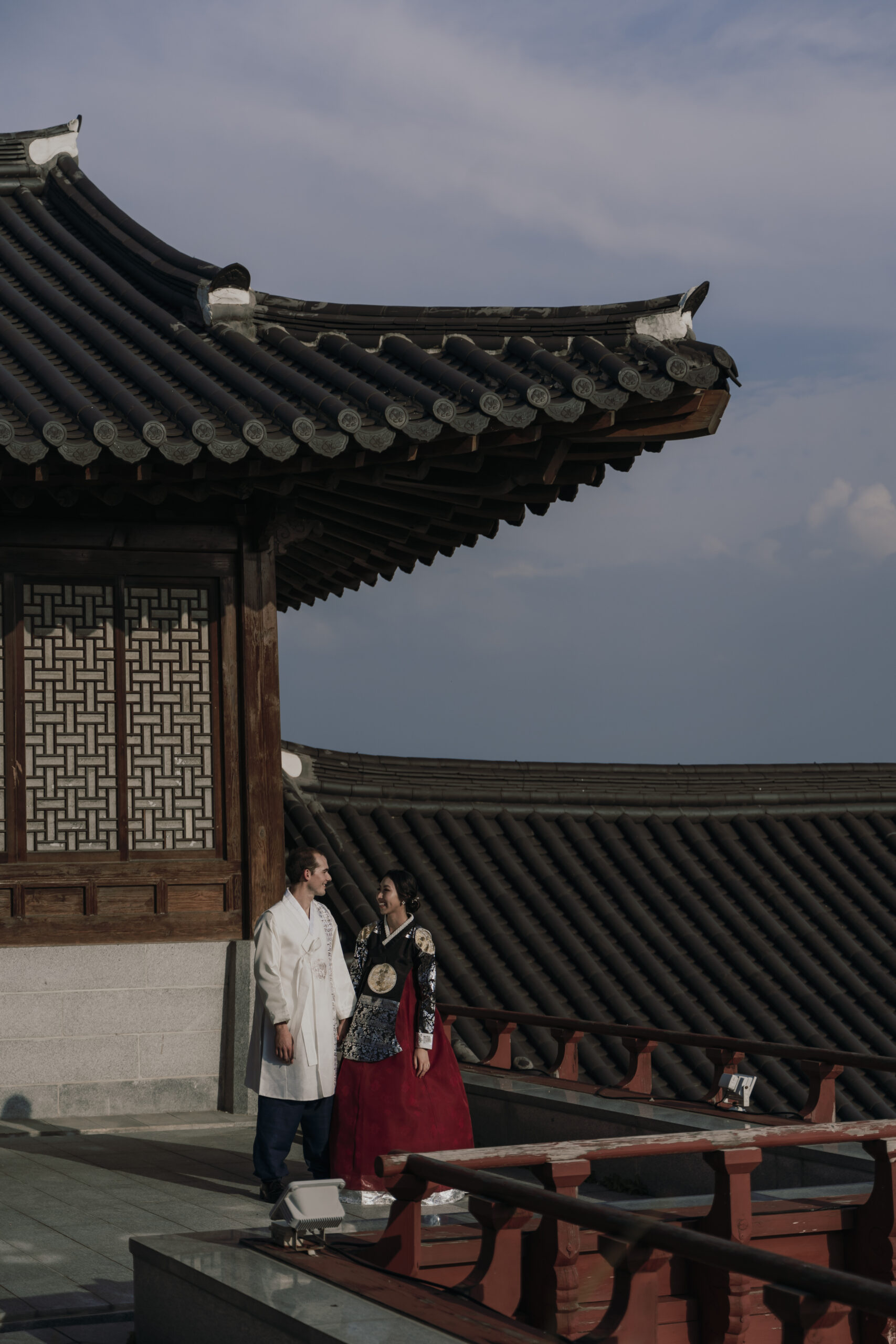
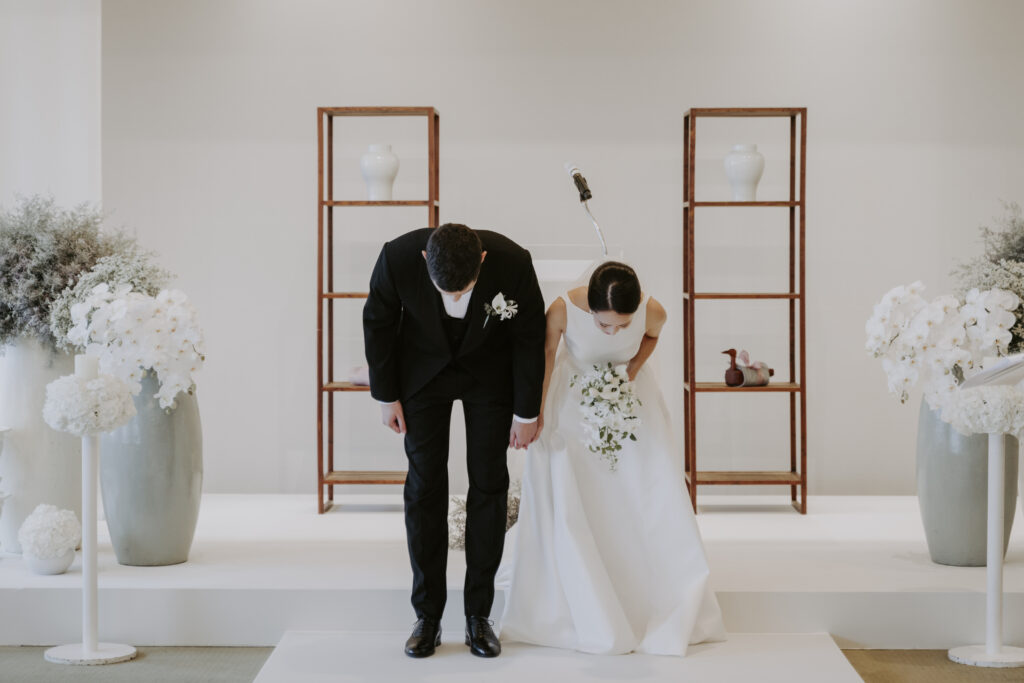
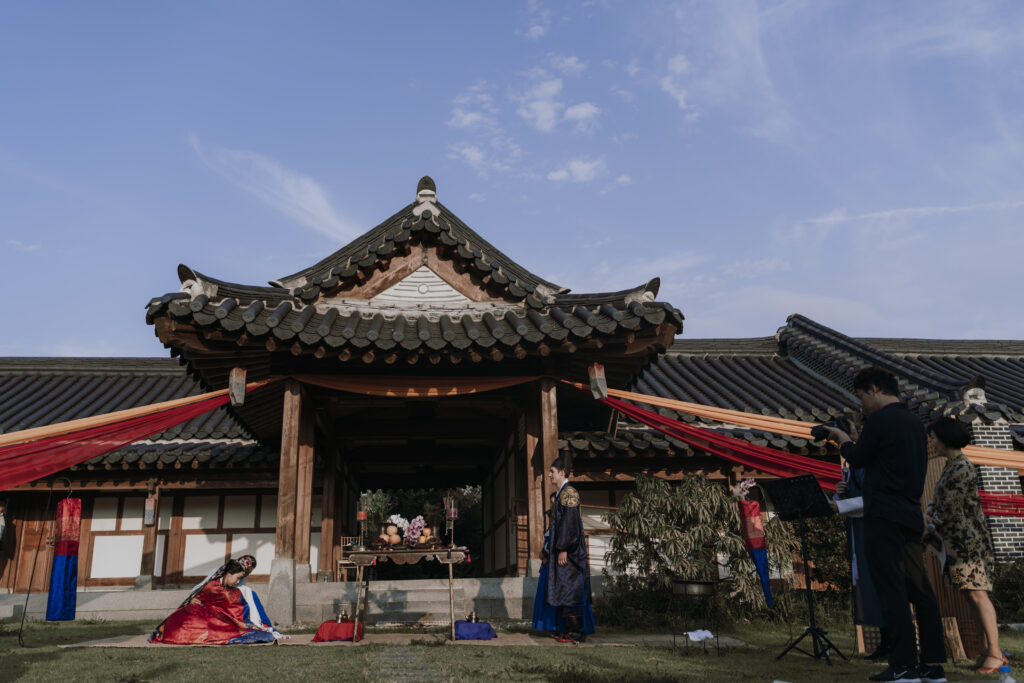
You might choose a Hanok wedding venue to create a sense of place and heritage. An outfit change into a Hanbok can also be a deeply personal touch, especially if its colors or patterns carry a special significance. Or perhaps you’ll cherish including a tea ceremony, a beautiful way to honor your elders and celebrate the joining of two families into one.
When choosing which traditions to include, I often tell my couples to follow the ones that truly speak to your heart. Thoughtful personal touches—whether in colors, important objects, or cherished family details—can make each ceremony feel like a genuine reflection of your story. If you’re unsure which rituals or ceremonies to include, connecting with someone local can help you discover which ritual fully resonates with you. I love walking couples through the significance and flow of each tradition, helping them feel confident and present on their day.
To explore this further, you can read my full blog on traditional Korean wedding rituals, where I share insights to make these moments special.

Personalizing Your Wedding Experience
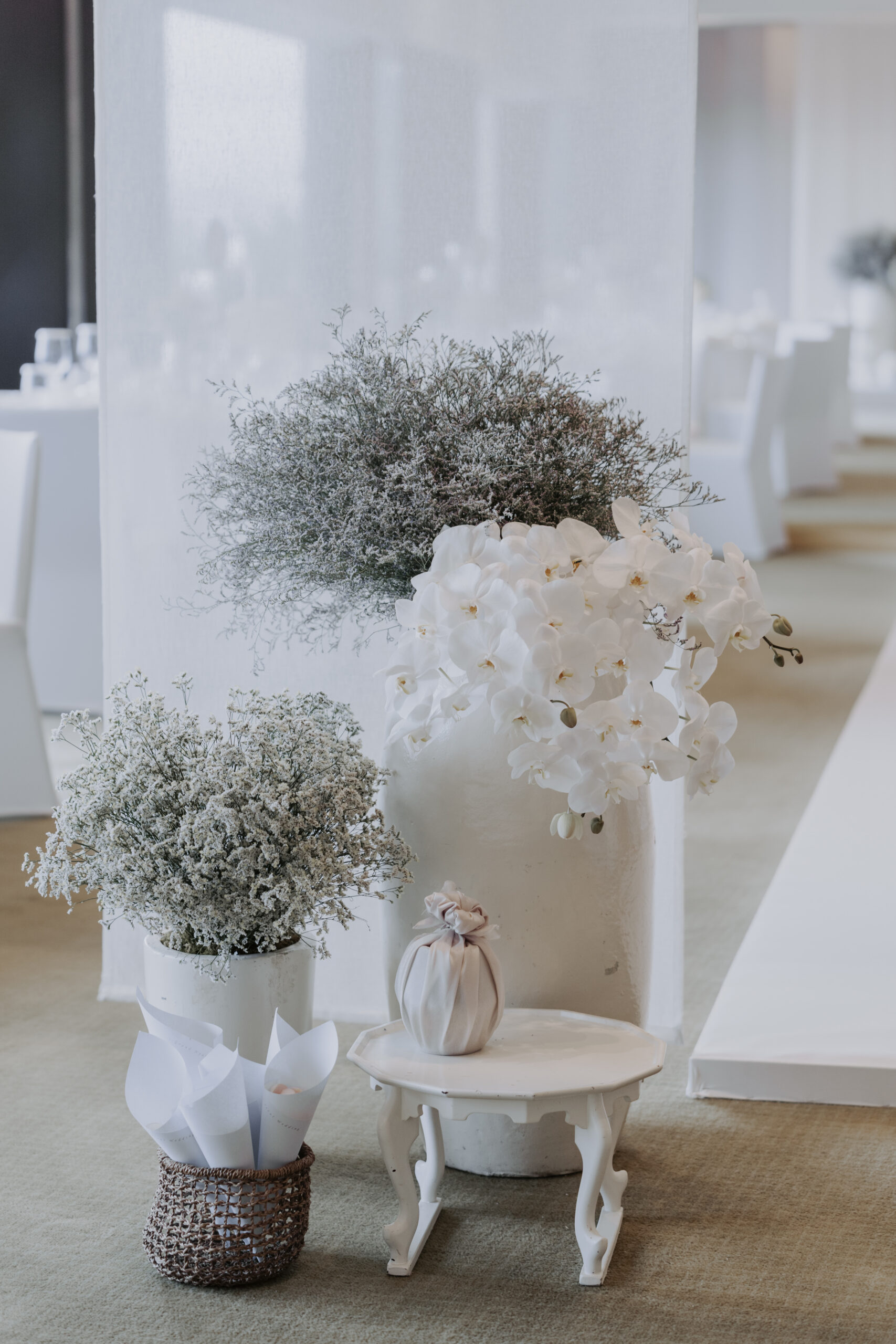
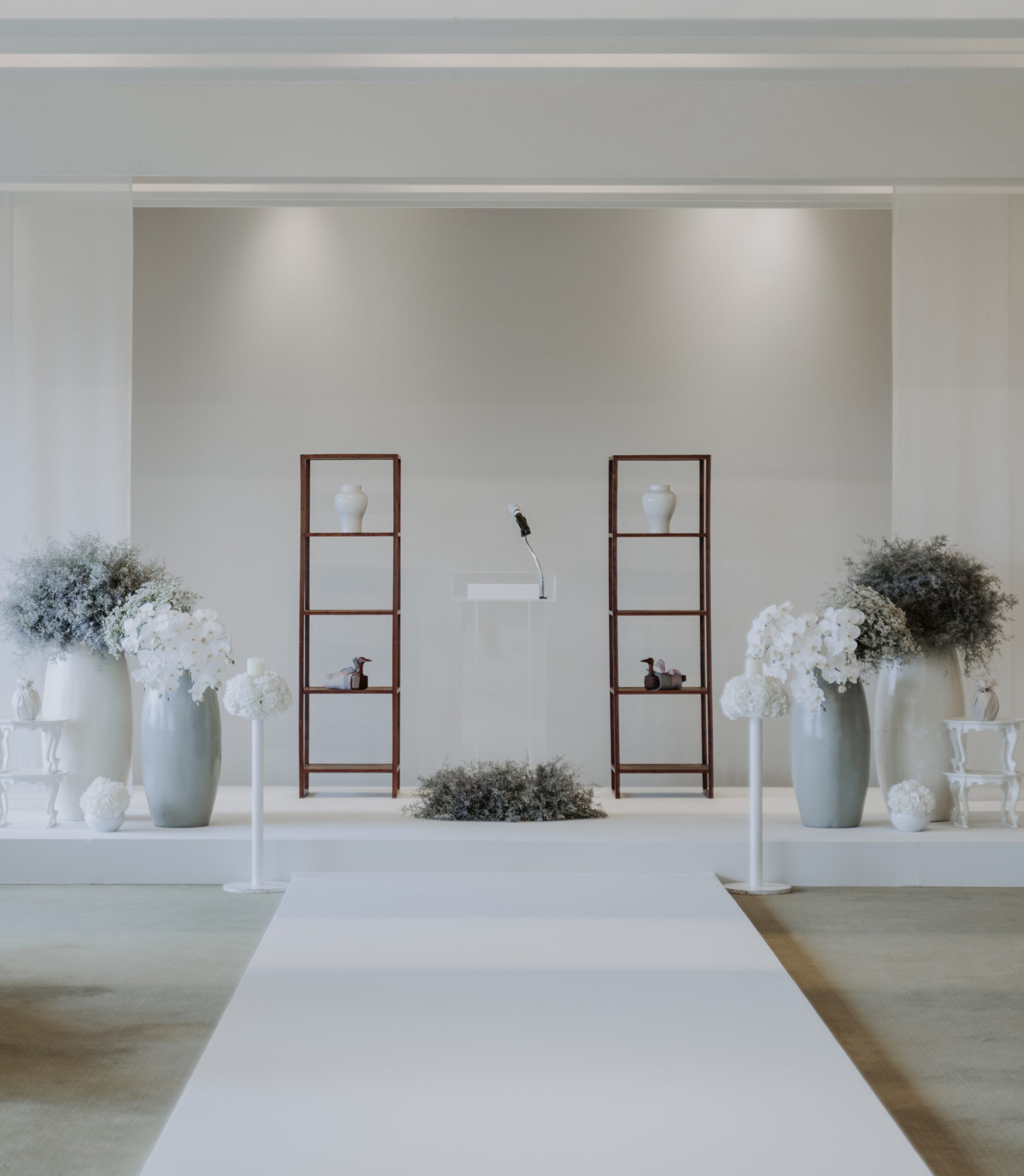
Your wedding day should feel authentically you—so weaving in your personal aesthetic is one of the most powerful ways to make the celebration memorable. When planning a wedding in Korea, one of the best ways to personalize your experience is to choose a venue that truly excites you. The right space naturally sets the tone for the entire day, letting your story unfold with ease, intention, and quiet beauty.
Weddings in Korea can also be beautifully social—full of family moments, laughter, and connecting with loved ones. Because of that, consider building in small moments of stillness, where you can breathe and take in everything happening around you. Those pauses let you savor the day even more and show up with your whole heart for the people who matter most.
Including a getting ready experience is a wonderful way to do this. While it’s not as common here as it is in the West, these quiet early moments offer space for tender memories and delicate details—the soft touch of your mother helping you into your dress, the quiet anticipation in the air—moments that linger long after the celebration ends.
Is it Important to Have a Korean Wedding Planner?
Planning a wedding in Korea can feel like walking a winding path, full of beauty but also uncertainty. A Korean wedding planner is like a steady, caring hand—guiding you through customs, language, and logistics, ensuring your vision comes alive with ease and grace.
Planners like Sarah, Yunice, and Anne bring creativity, warmth, and meticulous care to each celebration, transforming a complex process into an experience that feels effortless and deeply personal. I’ve worked alongside each of these women and can attest that they go above and beyond to make the process seamless, ensuring your celebration feels intentional from start to finish.
One of my Favorite Deeply Personal Weddings
When it come to planning your wedding in Korea, sometimes it can help to gain inspiration from other couples’ experiences. One wedding that stays close to my heart took place at the Hongcheon Equestrian Club, nestled in Korea’s serene countryside. Horses were deeply meaningful to the couple, so they wove them into the very fabric of their celebration. The groom, a talented showjumper, even performed a small showcase during the ceremony, and their horse joined them in a truly unforgettable moment.
Another beautiful touch was that before the wedding, they had flower boxes custom made with florals and other greenery. They served as more than just beautiful accent pieces—after the wedding, the couple brought them home, a living memory of their day’s joy and love. It was a celebration that felt entirely theirs, full of thoughtfulness and beauty that lingered long after the last toast.
Even more, it was a reminder that your wedding day can shine with your own story, your own love, and your own personal touches—making it uniquely, beautifully yours.

When to Start Planning a Wedding in Korea
When Should I Book My Vendors?
Planning a wedding in Korea is such an exciting adventure, and getting an early start gives you the freedom to dream big and gather the team who will bring your vision to life. I usually suggest booking a wedding planner about a year in advance—especially if you want someone bilingual to help navigate local customs and vendors. Many venues work with specific planners, so finding the right one early can make all the difference in securing your favorite spot.
Photographers, too, are in high demand—especially during peak season—so reaching out sooner rather than later is the best way to secure your date. My own calendar tends to fill up about a year ahead, and connecting early gives me the best chance to document your day. Planning ahead isn’t about adding stress—it’s about giving yourself the space to really enjoy every moment of your engagement and wedding journey.
Paperwork Considerations When Planning a Wedding in Korea
If you want your marriage to be legally recognized in Korea, there are a few key documents to prepare. For U.S. citizens, these usually include:
- A valid passport
- A government-issued photo ID (like a driver’s license)
- A completed Affidavit of Eligibility for Marriage
- If previously married, a divorce or death certificate
You’ll also schedule an appointment at the U.S. Embassy in Seoul for the affidavit, and have all documents translated into Korean by a certified translator. It may feel like a lot, but each step is part of your journey toward a beautiful, recognized celebration of your love story.
If the legal details start to feel overwhelming, another option is to have a symbolic wedding in Korea and take care of the official paperwork back home. That way, you can breathe a little easier, soak in the beauty around you, and truly enjoy your experience without extra stress.
No matter the path you take, celebrating your love in Korea is an experience full of joy, meaning, and unforgettable moments.
To dive deeper into the details of getting married in Korea, you can explore this blog post, where I walk you through the entire process on how to get married in Korea as a foreigner and share tips for a smooth experience.
A Few of My Favorite and Unique Weddings in Korea
Korea offers endless ways to make your wedding feel deeply personal and unique. Over the years, I’ve had the joy of documenting weddings that celebrate each couple’s story with care and creativity:
Anne & Luca’s Parisian Micro Wedding at L’Escape Hotel
A Celebration of Connection and Heritage at Hanok Dugahun
Madai’s and Goobin’s Autumn Wedding Journey
These weddings are beautiful reminders that your day can reflect the heartbeat of your story—whether it’s grand, intimate, modern, or rooted in heritage.
Frequently Asked Questions about Planning a Wedding in Korea
What are the red dots on Korean brides?
The red dots worn by Korean brides symbolize youth and good fortune. They are worn during the Paebaek Ceremony, a centuries-old ritual honoring the joining of two families.
Who pays for the wedding in Korean culture?
Traditionally, the groom’s family covered most wedding expenses. Today, it’s common for both families—and sometimes the couple themselves—to share costs, creating a collaborative, loving celebration.
What is the traditional Korean wedding dress called?
The traditional Korean wedding outfit is called a Hanbok. Both men and women wear them, often adorned with vibrant colors and delicate embroidery. Each color holds significance—red for good fortune, yellow for fertility, and more.
What is the etiquette for attending Korean weddings and family gatherings?
It’s important to dress thoughtfully, honor the couple’s elders, and bring a cash gift rather than a registry item. The amount often reflects your closeness to the couple, typically beginning around 50,000 KRW (~$35 USD), as a meaningful gesture of your love and support.
I hope this guide gives you a sense of confidence and inspiration as you start planning a wedding in Korea. Part two of this three-part series will dive even deeper into venues and vendors, helping you shape your perfect celebration.
If you’d like a caring hand to guide you through your wedding planning process, I’d be honored to walk beside you. Your wedding deserves to be a reflection of your love story and be celebrated in a way that is truly yours, here in Korea.